
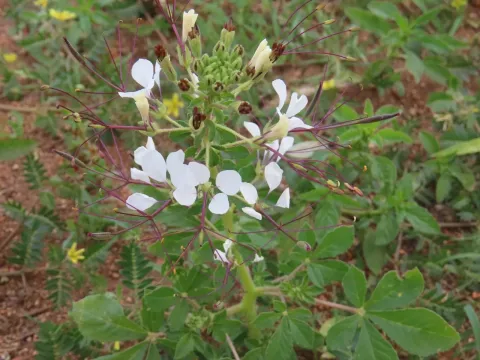
Gynandropsis
Gynandropsis DC.
Gynandropsis seeds are sown directly into the open ground once the threat of frost has passed and soil temperatures have reached at least +20°C. As a tropical crop, it requires consistent warmth for rapid and uniform germination and early establishment.
What the section contains

Gynandropsis
The seeds should be sown in rows spaced 30–40 centimeters apart to provide adequate air circulation. A sowing depth of 1–2 centimeters is optimal, ensuring that the tiny seeds have sufficient moisture and soil contact to initiate the germination process successfully.
In regions with shorter growing seasons, starting plants in trays or pots is recommended. Seedlings are typically transplanted at 20–25 days of age, which helps to get a jump start on the harvest season and improves overall plant survival in cooler climates.
Germination usually takes between 7 to 10 days under ideal conditions. Proper thinning is crucial once seedlings emerge; leaving 15–20 centimeters between plants ensures that each individual has enough space to develop its full leaf canopy and prevents overcrowding.
Consistent plant spacing is essential for high-yield cultivation. Overcrowded plants tend to become leggy and are more susceptible to fungal diseases, while properly spaced plants develop a stronger structure and produce a larger volume of high-quality foliage.
As a member of the Capparaceae family, Gynandropsis thrives in warm conditions with temperatures typically ranging between +25°C and +30°C. It is a light-demanding crop that requires full sun throughout the day to reach its maximum growth potential.
The plant prefers well-drained, fertile soil with a neutral to slightly acidic pH. While it is remarkably drought-tolerant once established, high yields of succulent, palatable leaves require regular moisture throughout the primary growth cycle.
Poorly drained or heavy clay soils should be avoided, as they can lead to root rot under conditions of high humidity. Amending the soil with organic matter such as compost prior to planting is highly recommended to improve structure and nutrient availability.
Gynandropsis is a short-day plant, meaning its flowering cycle is sensitive to day length. Providing adequate irrigation and maintaining proper soil fertility helps keep the plant in a vegetative state, delaying premature bolting and ensuring a longer harvest.
Regular cultivation and weeding are necessary in the early stages of growth to prevent competition for light and nutrients. Keeping the field clean also improves air circulation at the base of the plants, which is vital for preventing the onset of common diseases.
The yield of Gynandropsis is highly dependent on effective harvesting techniques and consistent water management. Under ideal conditions, leaves can be harvested multiple times throughout the season, starting just 3 to 4 weeks after emergence.
Initial harvests are typically made when plants reach 20–25 centimeters in height. By selectively harvesting the young leaves and apical shoots, growers can encourage lateral branching and increase the total biomass production significantly over several weeks.
Intensive cultivation practices can result in several tons of foliage per hectare. The leaves and young flowering tops are the primary edible components, recognized for their significant content of vitamins A and C, as well as essential minerals.
To maximize yields, it is beneficial to pinch off emerging flower buds throughout the harvest period. This practice redirects plant energy away from seed production and toward the development of more vegetative tissue, which is the main goal of the harvest.
Yield stability is strongly influenced by the prevention of environmental stress. Significant fluctuations in temperature or extended periods of drought will often trigger early flowering, which can cause a rapid decline in leaf tenderness and overall production.
Aphids and spider mites are the most common pests affecting Gynandropsis. These insects thrive in hot, dry conditions and can cause significant damage by feeding on the tender young leaves, leading to curling, yellowing, and reduced plant vigor.
Powdery mildew is a common fungal disease, especially in dense plantings with high humidity and poor airflow. It manifests as a white, dusty growth on the leaf surfaces, which, if left unchecked, can quickly weaken the entire crop and reduce market value.
Root rot caused by soil-borne pathogens can be a major issue in fields that are prone to waterlogging. Plants affected by root rot typically show rapid wilting and yellowing, and they often fail to recover, creating large gaps in the production rows.
Integrated pest management, including crop rotation and maintaining sufficient distance between plants, is the most effective approach to control. Avoiding close proximity to other cruciferous crops can also help prevent the spread of host-specific pests.
Prompt removal of weeds and diseased plant debris helps keep the field environment hygienic. Regular monitoring of the foliage for signs of pests or pathogens is essential for timely intervention and to prevent the need for heavy pesticide applications.
Harvesting is primarily done by hand, involving the selective plucking of young, tender leaves and the tips of the shoots. This method allows for a "cut-and-come-again" strategy, providing a steady supply of fresh produce over an extended timeframe.
The best time for harvesting is during the cool, early morning hours when leaf turgor is highest. Produce harvested at this time is crisp and more resilient during post-harvest handling and transportation, resulting in a higher quality product at market.
Managing the plant to delay flowering is a critical part of the harvest strategy. By removing flower stalks as soon as they appear, growers can sustain the vegetative phase and keep the quality of the leaves high for as long as possible.
Post-harvest care involves keeping the gathered greens in a cool, shaded environment to prevent wilting. Because the leaves have a large surface area, they lose moisture rapidly, so proper packing and quick transport to storage are important steps.
For seed production, selected plants should be allowed to mature until the seed pods turn yellow or brown. Once harvested, the pods should be dried in a well-ventilated area before threshing, cleaning, and storing the seeds in a cool, dry place.