
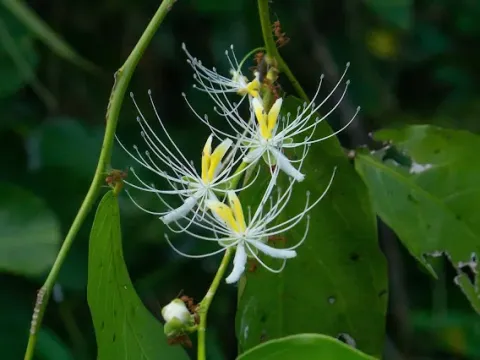
Capparis micracantha
Capparis micracantha
Capparis micracantha belongs to the Capparaceae family and is a perennial evergreen shrub. In natural conditions, seed propagation typically occurs in spring, when soil temperatures stabilize between 20 and 25 degrees Celsius.
What the section contains
Capparis micracantha
For commercial cultivation, seeds require pre-sowing stratification to improve germination vigor. Sowing is carried out in well-drained substrates, as seedlings are extremely sensitive to waterlogging in the root zone during the early stages of development.
The optimal time for transplanting seedlings into open ground is after the risk of late frosts has passed. The plant is characterized by slow growth during the first years, so the site selection must ensure minimal competition from weeds.
The layout of the crop requires consideration of its habit: the bush can reach two meters in height and possess a sprawling canopy. A recommended planting distance is at least 2.5 to 3 meters between rows to ensure light penetration and facilitate maintenance activities.
The use of container technology allows for precise control of root development and can accelerate the onset of fruiting. It is essential to ensure high-quality drainage in every planting module to prevent root rot.
This crop is a classic xerophyte, adapted to intense solar radiation. Ideal regions for cultivation are areas with hot summers and mild winters, typical of the tropical and subtropical zones of Southeast Asia.
The plant prefers poor, rocky, or sandy soils with an alkaline pH. Saline soils, which are unsuitable for most traditional crops, can be successfully utilized for plantations of this species.
A critical requirement is the absence of excessive moisture; surplus water in the soil leads to immediate root system death due to fungal pathogens. Rare but deep irrigation during the active growth phase is sufficient for healthy development.
Temperatures should be maintained between 25 and 35 degrees Celsius during the active vegetative period. Despite high heat tolerance, the plant does not perform well under rapid fluctuations in air humidity accompanied by prolonged rainfall.
Under open-field conditions, the crop demonstrates high wind resistance thanks to a powerful taproot system that penetrates deep into the soil to reach moisture and nutrients.
The productive part of the plant consists of unopened flower buds, which are harvested by hand. Fruiting begins 3 to 4 years after planting, with commercial output gradually increasing as the shrub canopy expands.
Economic use includes both the buds and the fruits, which are consumed after specific processing. Yield depends on light intensity and the pruning regime, which stimulates the formation of new generative shoots.
Harvesting is labor-intensive, which determines the specialized nature of manual labor on plantations. The optimal harvest season lasts throughout the summer as new flower buds form.
The industrial value of Capparis micracantha lies in the unique chemical composition of its fruits, which contain specific essential oils. This makes the crop a sought-after raw material for the food and pharmaceutical industries.
Regular sanitary pruning after the end of the fruiting season allows for the maintenance of high productivity for many years. Old branches are removed to stimulate the growth of young, more vigorous stems.
The main threat to the crop is root rot, caused by poor agronomic practices and excessive irrigation. Strict adherence to soil drainage regimes is recommended as a preventive measure.
Among pests, sap-sucking insects such as aphids and spider mites are the most common, attacking young leaves. Early detection allows for the control of pest populations without the need for harsh pesticides.
In regions with high air humidity, powdery mildew may affect the aerial parts of the plant. Combating this disease involves the removal of affected fragments and the use of biological fungicides as a preventive strategy.
Weevils are also a potential threat, as they can damage young shoots and reduce overall plantation yield. Regular monitoring allows for the early identification of infestations and localized treatment.
A crucial element of defense is maintaining a high level of phytosanitary standards. Removing fallen leaves and weeds significantly reduces the population of harmful organisms in the root zone.
Bud harvesting is performed in dry weather, once they reach the required size but before they begin to open. Early morning is the best time for harvesting, as essential oils are most concentrated in the plant tissues.
After harvest, the product undergoes mandatory fermentation in brine or vinegar to remove specific bitterness. This process lasts several weeks and is necessary to unlock the flavor profiles of the crop.
Fruits left on the bush until maturity are also harvested for pickling. They differ in size and possess a unique aromatic profile compared to flower buds.
Size grading is an essential step in post-harvest preparation. Smaller specimens are valued higher, as they have a more delicate texture and an intense spicy flavor, highly demanded in fine dining.
Storage of the finished product is carried out in airtight containers with added preserving brine. When processing technologies are followed, capers maintain their organoleptic properties for a long period.