
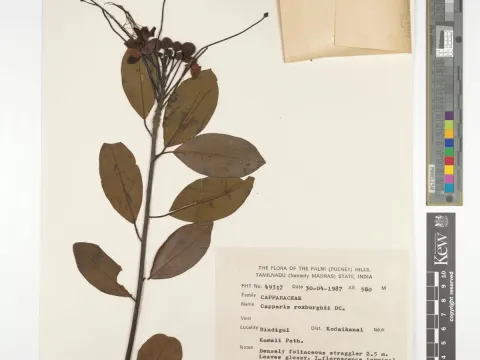
Capparis roxburghii
Capparis roxburghii
The propagation of Capparis roxburghii in agricultural settings is typically achieved through vegetative methods, such as stem cuttings, due to the low germination rate of its seeds. The best time for rooting green cuttings is during the active growth period, maintaining a temperature range of 22 to 25 degrees Celsius.
What the section contains
Capparis roxburghii
Direct seeding is mainly reserved for breeding programs and experimental trials. Seeds require extensive pre-sowing treatment, including cold stratification and soaking in growth stimulants to break dormancy and improve the overall success rate of sprouting in controlled environments.
Planting in open fields requires a well-prepared substrate that mimics its natural rocky habitat. The soil should be amended with a significant portion of sand and fine gravel to ensure optimal drainage, which is crucial for preventing water retention in the root zone.
Young seedlings are particularly sensitive to environmental conditions during their first year of growth. They require protective shelters and careful spacing to ensure that each plant receives adequate ventilation and sunlight for structural development.
In large-scale commercial farming, maintaining a spacing of at least two meters between rows is essential for mechanical maintenance and harvest operations. This layout also helps in reducing the humidity around the canopy, effectively preventing plant diseases.
Capparis roxburghii belongs to the Capparaceae family and is recognized as a hardy, drought-tolerant shrub native to the arid regions of South and Southeast Asia. It is well-adapted to surviving in extreme heat and growing in nutrient-poor, rocky, or gravelly soils.
The crop requires full sun exposure and does not tolerate shade, which significantly reduces flower production and fruit development. Intense solar radiation is necessary for the plant to accumulate essential oils and reach its peak physiological performance.
The soil profile for this species should be neutral or slightly alkaline. A well-draining substrate is mandatory, as excessive organic matter or fertilizer can lead to an over-accumulation of biomass, which is counterproductive for the development of flower buds.
This species is highly drought-resistant, possessing a deep taproot system capable of extracting moisture from deep soil layers. Irrigation should be minimal and restricted to extreme drought periods, as the plant is highly susceptible to root decay from overwatering.
The ideal temperature range for active growth is between 20 and 35 degrees Celsius. The shrub is sensitive to cold winds and frost; therefore, selecting protected, south-facing sites is critical for ensuring the longevity of the plantation.
The primary threat to Capparis roxburghii cultivation is fungal infection of the root system, often caused by waterlogging or poor soil drainage. High humidity levels in the root zone facilitate the growth of pathogens that can lead to rapid wilting and plant mortality.
Pests such as spider mites and aphids are known to target young shoots, especially during periods of dry, hot weather. A proactive monitoring approach allows farmers to identify early infestations and apply appropriate biological controls without damaging the ecosystem.
Leaf-eating insects can cause minor damage to the foliage, but a healthy plant under proper agronomic management can usually recover without severe yield loss. Ensuring the plant's vigor through appropriate micro-nutrient supplementation is key to maintaining health.
Cultural practices, such as maintaining adequate space between shrubs and pruning diseased branches, are vital for preventing powdery mildew and other airborne fungal issues. A well-ventilated canopy is the best natural defense for this crop.
Foliar feeding with micro-nutrients can significantly enhance the plant's immune system, making it more resilient to various environmental stressors and pest attacks. Regular nutritional balancing is a standard requirement for high-quality yields in commercial production.