
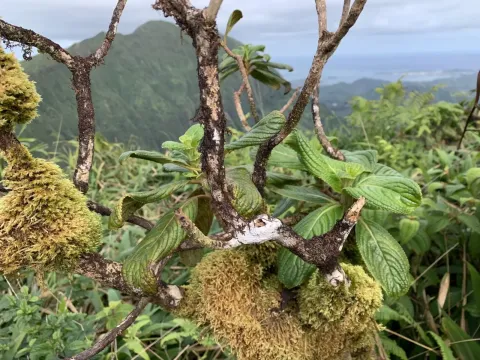
Cardiandra
Cardiandra
Cardiandra is a genus of perennial herbaceous plants and subshrubs belonging to the Hydrangeaceae family. In the wild, this crop is primarily found in East Asia, including regions of Japan and China, thriving in humid forests and mountain valleys.
What the section contains
Cardiandra
Botanically, the plant is characterized by opposite leaf arrangement and inflorescences consisting of both fertile and sterile flowers, which provides high ornamental value. Shoot height usually ranges from 30 to 80 centimeters depending on the species and growth conditions.
For successful development, the crop requires acidic or slightly acidic soils rich in organic matter, with good drainage but constant moisture. The plant is extremely sensitive to drying out of the root ball, necessitating regular watering during the growing season.
The culture prefers semi-shaded or shaded areas protected from direct sunlight and strong drying winds. In climates with harsh winters, the plant requires reliable protection or cultivation in greenhouses.
The economic use of Cardiandra is limited to ornamental gardening and landscape design, where it is valued as a rare exotic element for creating shade gardens and private plant collections.
The primary threats to the plant's health are fungal infections that develop due to water stagnation in the soil or high humidity coupled with poor air circulation.
Root rot poses the greatest danger, capable of quickly causing plant death if substrate aeration is insufficient and the root zone remains excessively wet during the cold season.
Among pests, spider mites and aphids are the most frequent, attacking young leaves and shoots, which is particularly relevant when growing plants in greenhouses or dry indoor environments.
Disease prevention consists of adhering to best agrotechnical practices: soil disinfection, ensuring high-quality drainage, and regular ventilation of plantings in greenhouse conditions.
Upon detection of initial signs of pest infestation, immediate treatment with specialized insecticides or acaricides is recommended in accordance with the manufacturer's instructions.