
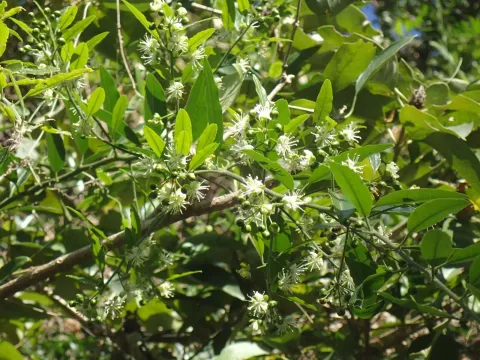
Capparis fascicularis
Capparis fascicularis
Capparis fascicularis, commonly known as a wild caper species, belongs to the family Capparaceae. This woody perennial is widely recognized for its botanical adaptation to arid and semi-arid landscapes across Africa, displaying exceptional resilience to extreme environmental stressors.
What the section contains
Capparis fascicularis
The plant is native to diverse ecological zones, ranging from dry bushlands to rocky slopes. Its morphology is perfectly evolved for survival in nutrient-poor, rocky substrates that have excellent drainage properties, which is a critical factor for agricultural success.
Regarding climate requirements, Capparis fascicularis thrives in environments characterized by high solar radiation and low relative humidity. It is a heliophilous species that requires full sun exposure to reach its physiological potential and produce healthy vegetative growth.
Optimal soil preparation involves ensuring superior aeration. The root system is highly sensitive to hypoxia caused by waterlogged soil conditions. Therefore, incorporating gravel or coarse sand into the planting medium is highly recommended for commercial-scale cultivation.
Temperature management is crucial. The species is highly susceptible to frost damage, which can kill established shrubs. In agricultural settings, it is essential to ensure that ambient temperatures remain within the warm, frost-free range throughout the vegetative cycle.
The primary threats to Capparis fascicularis are soil-borne fungal pathogens, particularly Phytophthora species, which thrive in stagnant water environments. Maintaining strict irrigation protocols is the most effective way to prevent catastrophic root rot outbreaks.
Insect pests, such as spider mites and leaf-miners, represent secondary threats. These pests are particularly active during the transition seasons when humidity levels rise, allowing for rapid colonization of the leaf surface and tender stem tissues.
Integrated Pest Management (IPM) strategies are highly recommended. This includes the introduction of natural predators and the judicious use of botanical oils, which manage pest populations without damaging the plant's delicate metabolic processes or the surrounding ecosystem.
Viral pathogens can be transmitted through improper vegetative propagation or by sucking insects. Maintaining strict hygiene standards, such as sanitizing all pruning tools between plants, is essential for preventing the rapid spread of systemic diseases within the field.
Proper density management is a prerequisite for long-term health. Overcrowding plants inhibits airflow, creating microclimates that encourage the proliferation of mold and fungal spores. Providing adequate spacing ensures that the plants remain vigorous and less susceptible to disease.