
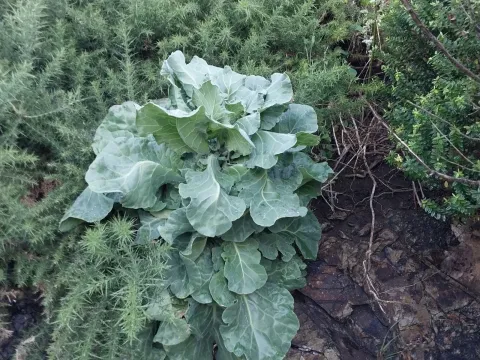
Kale
Brassica oleracea L. (Kale Group)
Kale, belonging to the Brassicaceae family, is a highly adaptable cool-season crop. Seeds are typically sown directly into the soil during early spring, once the ground warms to 10-15 degrees Celsius, usually between April and May depending on the local climate.
What the section contains
Kale
For an earlier harvest, growers often start kale in trays or greenhouses 4–6 weeks before transplanting outdoors. It is essential to maintain a spacing of at least 40–50 cm between plants to allow for proper leaf rosette development.
In regions with mild winters, late-season or winter sowing is possible to obtain fresh greens in early spring. Seeds should be planted at a depth of 1–1.5 cm, ensuring consistent soil moisture until germination occurs.
When sowing in multiple batches throughout the summer, it is crucial to select varieties resistant to bolting, as long daylight hours can trigger the plant to bloom prematurely. Strategic planting ensures a steady harvest until the first hard frosts.
Success depends on using high-quality seeds treated against fungal pathogens. Crop rotation is a mandatory practice, as planting kale in the same spot where other brassicas have grown previously can significantly increase the risk of soil-borne diseases.
Kale is remarkably cold-hardy and can withstand temperatures down to -10 degrees Celsius. In fact, many varieties become sweeter after exposure to light frost. The optimal temperature for active vegetative growth ranges from 15 to 20 degrees Celsius.
The soil should be fertile, rich in organic matter, and maintain a neutral pH level between 6.0 and 7.0. Because kale is sensitive to nitrogen deficiency, incorporating compost or well-rotted manure into the soil prior to planting is highly recommended.
While kale can tolerate partial shade, it thrives best in full sun. Inadequate light exposure often leads to spindly growth and reduced leaf quality, making site selection a critical factor for professional and home growers alike.
Regular irrigation is vital because drought stress negatively impacts leaf texture and flavor. The soil should remain consistently moist but well-drained, as waterlogged conditions can lead to root rot and other physiological disorders.
Throughout the growing season, shallow cultivation or hilling helps strengthen the stem and promotes the development of lateral roots. Applying mulch helps regulate soil temperature, preserve moisture, and suppress weed growth effectively.
Kale is highly valued for its ability to provide multiple harvests from a single plant throughout the growing season. By harvesting only the lower, outer leaves and leaving the center terminal bud, the plant continues to produce new foliage.
Average yields of marketable greens range from 2 to 4 kilograms per square meter under optimal conditions. Final production figures depend heavily on planting density, soil fertility levels, and the consistency of the irrigation schedule.
Commercial harvesting typically begins 60–80 days after sowing. The best harvest size for individual leaves is 15–25 cm in length, which ensures the highest nutritional quality and the most tender texture for culinary use.
Yields can be significantly increased by using intensive agricultural techniques, such as fertigation. Monitoring and managing nitrogen levels throughout the growth phase is the most effective way to stimulate consistent biomass production.
Harvested greens are perishable and lose turgor quickly. In a production setting, immediate cooling to low temperatures is necessary to maintain shelf life. At home, storing leaves in sealed plastic bags helps retain moisture and crispness.
The most common pests affecting kale are flea beetles, which pose a major threat to seedlings. Protecting young plants with floating row covers or using approved insecticides during mass emergence is essential for crop protection.
Cabbage worms and loopers can cause significant damage by consuming leaf tissue. Regular monitoring and manual removal of insect eggs and larvae can often control populations without the need for intensive chemical applications.
Clubroot is a severe soil-borne fungal disease that affects the roots, particularly in acidic soils. Prevention requires soil liming and strict adherence to long-term crop rotation cycles, avoiding brassicas on the same site for at least four years.
Downy mildew may affect the leaves during periods of high humidity and poor airflow. Improving ventilation and avoiding overcrowding are the most effective cultural controls to mitigate the spread of this pathogen.
Damping-off is a common issue for seedlings grown in overly wet or poorly lit environments. Maintaining excellent airflow and avoiding overwatering during the early stages of plant development are critical for seedling health.
Harvesting kale is an ongoing process performed by selectively picking leaves once they reach the desired maturity. Using sharp tools prevents damage to the growth point, ensuring the plant survives to provide a continuous supply of greens.
In autumn, as temperatures drop, the accumulation of sugars improves the flavor profile of the leaves. Managing the harvest during this period requires careful attention to ensure plants do not enter a state of dormancy too early.
The "baby leaf" harvest technique involves cutting the entire plant at a very young stage, usually when leaves reach 10–12 cm in height. This method is highly favored in the restaurant industry for producing gourmet salad mixes.
At the end of the season, before deep winter freezes set in, the remaining foliage is harvested. Healthy plant residues can be incorporated into composting systems, provided they show no signs of persistent soil-borne pathogens.
For long-term storage, kale should be cleaned of soil and debris and stored at temperatures between 0 and 2 degrees Celsius. With proper humidity control (around 95%), leaves can remain fresh and marketable for up to three weeks.