
Kohlrabi
Brassica oleracea L. (Kohlrabi Group)
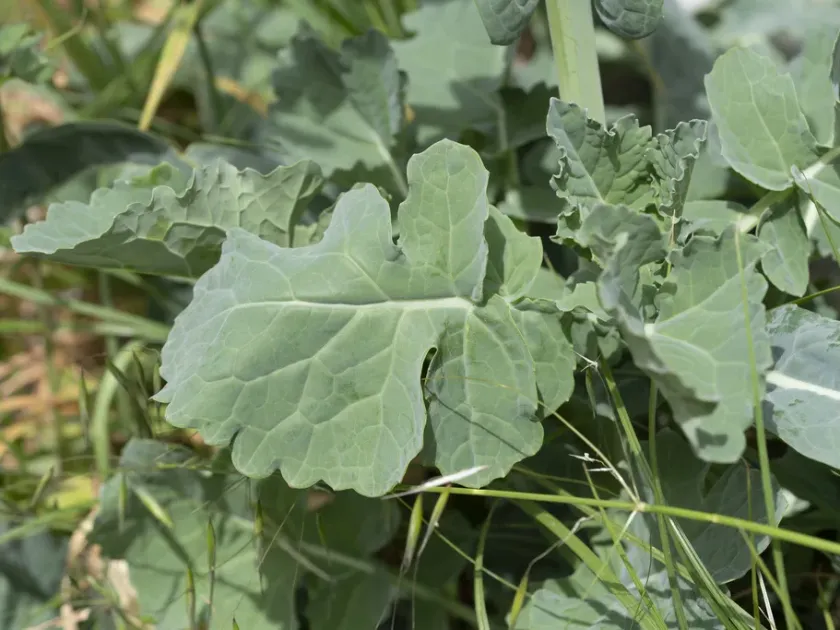
Description
Sowing dates
Kohlrabi (Brassica oleracea L. Kohlrabi Group) is a biennial vegetable cultivated for its enlarged, edible stem, which is technically a swollen stem base.
For early spring crops, seeds should be started indoors in trays or pots about 4 to 6 weeks before the last expected frost date.
Direct seeding in the garden is recommended for late summer and fall harvests, as kohlrabi prefers cooler growing conditions during its final stages.
Seeds should be sown at a depth of approximately 1 cm, with spacing adjusted to ensure each plant has enough room for the bulbous stem to expand.
Thinning is an essential practice if seeds are sown directly, ensuring the final spacing is at least 20–30 cm between individual plants in the row.
Growing requirements
The plant thrives in well-drained, fertile soil enriched with organic matter, maintaining a soil pH level of 6.0 to 7.0 for optimal nutrient uptake.
Full sun is required for robust growth; however, in regions with very hot summers, partial shade can help prevent the plant from bolting prematurely.
Consistent soil moisture is critical; irregular watering can cause the stems to split or become woody, severely affecting the texture and flavor quality.
Kohlrabi prefers cool-season conditions, with ideal temperatures ranging between 15 °C and 20 °C throughout the main growth period.
Regular cultivation of the soil surface helps to eliminate weeds, but gardeners must take care not to damage the shallow root system of the plants.
Yield
Under optimal conditions, kohlrabi is a high-yielding crop capable of producing significant harvests per square meter of cultivated garden space.
Early-maturing varieties can be ready for harvest in as little as 50 to 60 days, allowing for multiple successional plantings within a single season.
Yield stability depends heavily on consistent moisture and the prevention of pest damage that can hinder the development of the swollen stem.
Commercial production yields are maximized by selecting F1 hybrids that demonstrate uniformity in size, shape, and maturity speed during the cycle.
When properly managed, kohlrabi can produce a reliable supply of fresh vegetables, especially in regions with mild spring and autumn climates.
Main diseases and pests
Crucifer flea beetles are the most common pest, often causing small "shot-holes" in the foliage of young seedlings and stunting their overall growth.
Cabbage worms and loopers can cause significant leaf damage, necessitating regular monitoring and the use of organic pest control methods if required.
Clubroot, a soil-borne disease, remains a serious threat, causing root distortion and plant death; proper crop rotation is the primary defense strategy.
Downy mildew and other fungal issues may arise in conditions with high humidity and poor air circulation between the mature plant leaves.
To mitigate these threats, maintain good garden hygiene, remove plant debris, and ensure adequate spacing to improve airflow across the entire plot.
Harvesting
Timing the harvest is crucial; kohlrabi should be pulled when the bulb is between 5 and 10 cm in diameter for the best culinary characteristics.
If harvested too late, the stem becomes tough, woody, and unpalatable, regardless of how large the stem has grown during the later phases.
The entire plant is typically pulled from the ground, or the stem is cut at the base, and the leaves are removed before storage or processing.
For long-term storage, late-season kohlrabi can be kept in a root cellar or refrigerator with high humidity, where it can last for several weeks.
Regular inspection of the crop during the harvest window ensures that every vegetable is collected at the peak of its tenderness and nutritional value.