
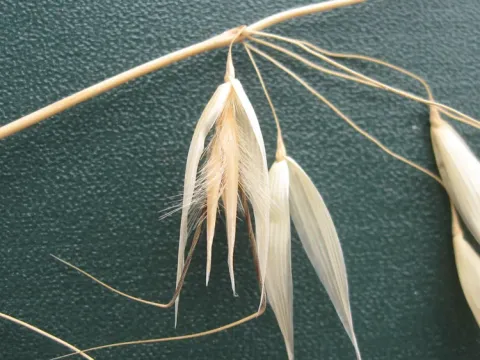
Bristle-leaved oat
Avena trichophylla
The bristle-leaved oat (Avena trichophylla) is a species of the Poaceae family, known for its adaptability to high-altitude environments and mountainous regions. It is a hardy grass species that has traditionally been used in various agricultural systems for livestock feed.
What the section contains
Bristle-leaved oat
Sowing generally occurs in early spring as soon as the soil has sufficiently thawed and warmed. This timing is critical to ensure that the seedlings establish deep roots while the soil is still rich in moisture, which is vital for the early developmental stages of the crop.
The recommended seeding depth for this species is approximately 3 to 5 centimeters. Proper seed placement ensures optimal soil-to-seed contact, which promotes uniform germination and minimizes the risk of early-stage competition from annual weeds.
Seeding rates are adjusted based on soil fertility and regional conditions. Because the plant exhibits strong tillering capabilities, maintaining an appropriate plant density is essential to prevent overcrowding and to allow each plant enough space to develop robust foliage.
Before sowing, the soil should be prepared to a fine tilth. Removing large clods and surface debris facilitates precise seeding and creates an ideal environment for seedling emergence and initial root exploration in the topsoil.
The bristle-leaved oat prefers cool, moist climates, which makes it particularly suitable for temperate and mountainous zones. It is known for its tolerance to cooler temperatures, allowing it to grow where more heat-demanding crops might fail.
Regarding soil requirements, the species thrives in well-drained loams and sandy loams with a neutral or slightly acidic pH. It does not tolerate waterlogged or highly compacted soils, as these conditions inhibit root aeration and can lead to plant stress.
Light availability is a primary driver of biomass production. As a sun-loving plant, it requires unobstructed access to sunlight throughout the day to drive the photosynthetic processes needed for vigorous growth and grain filling.
Water requirements are highest during the stem elongation and heading phases. Although the plant is somewhat drought-resistant once established, insufficient water during these critical growth stages can significantly reduce the final yield and nutritional value of the foliage.
Its primary agricultural use is as a forage crop. It provides high-quality green fodder, which is highly palatable to cattle and sheep, contributing to better livestock health and weight gain due to its balanced nutritional profile.
Common fungal diseases, such as various types of rust and smuts, can affect bristle-leaved oat crops, particularly under conditions of high humidity and poor field ventilation. Effective disease management involves monitoring and timely fungicide application.
Pests such as cereal aphids and stem-boring insects are potential threats that can significantly damage the young shoots and reduce overall yields. Integrated pest management strategies, including the use of beneficial insects and crop rotation, are recommended.
Root rots are often associated with unfavorable soil conditions, such as excess nitrogen or improper drainage. Maintaining soil health through balanced fertilization and appropriate crop rotation cycles helps keep these soil-borne pathogens in check.
Weed management is a crucial aspect of early-stage crop protection. By ensuring the oat crop is well-established early on, growers can reduce the impact of weeds, which compete for nutrients, light, and water, potentially stifling the growth of the grain crop.
Crop rotation remains the most effective prophylactic measure against pest and disease buildup. Rotating Avena trichophylla with legumes or non-cereal crops disrupts the life cycles of specific pathogens, leading to healthier and more productive yields.
Harvesting Avena trichophylla depends on the intended final use. For high-quality hay or green forage, harvesting should occur just as the plant begins to flower, which is when nutrient content is at its peak before energy is redirected into seed production.
Proper curing is essential when harvesting for hay. The cut crop should be dried thoroughly in thin swaths to preserve its green color, which indicates high chlorophyll and vitamin content, ensuring better nutritional value for livestock.
When grown for grain, harvesting takes place once the plant reaches full maturity. Modern combine harvesters must be correctly calibrated to ensure efficient threshing and to minimize losses caused by grain shedding or mechanical damage to the seeds.
Post-harvest processing involves cleaning and drying the grain to safe moisture levels (typically below 15%). This is vital to prevent molding and heating, which could occur during storage in silos or barns if the grain remains too moist.
Managing post-harvest residue is also important. Incorporating stalks and remaining biomass back into the field helps restore organic matter, improving soil structure and providing a slow-release source of nutrients for subsequent crops.