
Brisbane Box
Tristania conferta
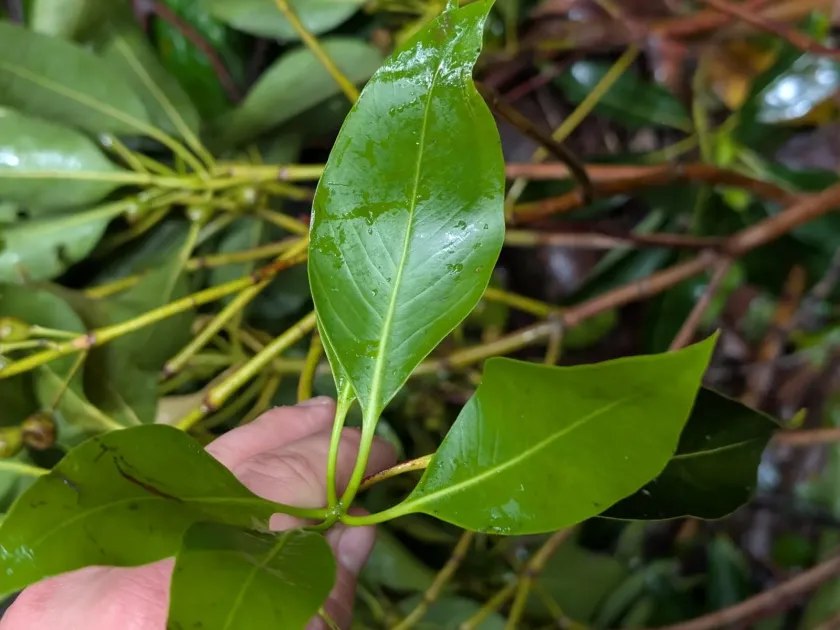
Description
Growing requirements
The Brisbane Box, scientifically known as Tristania conferta (or Lophostemon confertus), is a majestic evergreen tree belonging to the Myrtaceae family. It is native to the coastal regions of eastern Australia, renowned for its dense canopy and resilience in urban environments.
This species thrives in a variety of climatic conditions, showing a strong preference for warm, temperate, and subtropical environments. While it can handle moderate frost once established, young trees require protection from extreme cold to ensure healthy growth.
Regarding soil requirements, the Brisbane Box prefers rich, deep, and well-draining soils. It demonstrates significant adaptability, flourishing in a range of soil types from sandy loams to heavier clays, provided there is adequate moisture supply during the developmental stages.
Botanically, the tree is characterized by its broad, leathery, lance-shaped leaves arranged in clusters at the ends of branches. Its bark typically exfoliates in patches, revealing a smooth surface underneath, which adds to its year-round visual appeal in landscaping.
The primary use of this culture is as a street tree and a ornamental specimen in public parks. Due to its tolerance to air pollution and capacity to withstand wind, it is highly valued for urban planning projects where long-term durability is essential.
Main diseases and pests
Common health issues in Tristania conferta are often linked to improper irrigation. Overwatering or poor soil drainage can lead to root rot, which significantly weakens the overall structure and growth rate of the tree.
Pests such as scale insects and mealybugs can occasionally infest the foliage, particularly in sheltered or poorly ventilated areas. Regular inspection of the branches is recommended to detect early signs of infestation and prevent colonization.
Fungal infections, including leaf spot, may occur during seasons with high humidity. Improving airflow through selective pruning of the canopy is the most effective cultural method to mitigate the development and spread of these pathogens.
It is important to manage any mechanical injuries promptly, as wounds serve as entry points for decay organisms. Keeping the base of the tree clear of debris and excessive mulch helps prevent the buildup of pathogens near the trunk.
Overall, the Brisbane Box is considered a robust tree with a low susceptibility to most regional pests. By adhering to proper horticultural practices and providing adequate space for root expansion, growers can maintain healthy specimens for decades.