
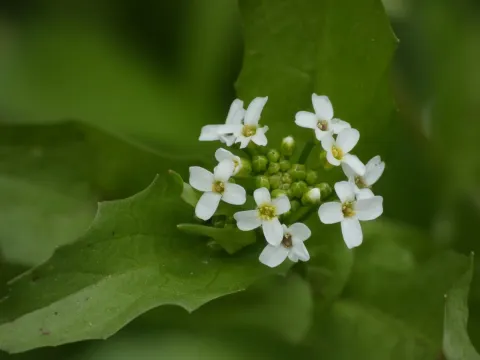
Calepina
Calepina
Calepina is a genus of flowering plants in the Brassicaceae family, recognized for its potential as a specialized oilseed crop. The genus is represented by a single species, which has attracted interest due to the fatty acid profile of its seeds.
What the section contains

Calepina
Sowing should take place in early spring, once the soil temperatures stabilize between 5 and 7 degrees Celsius. The crop is notably hardy, allowing for cultivation in diverse temperate climates.
Seeds are sown at a shallow depth of 1 to 2 centimeters. Ensuring a fine seedbed is essential for achieving rapid germination and strong establishment in the early stages of growth.
Row spacing should ideally be between 15 and 30 centimeters to ensure adequate airflow and nutrient competition, which helps maximize individual plant yield.
As an entomophilous plant, Calepina benefits significantly from the presence of pollinating insects, which improve seed set and overall productivity during the flowering phase.
The plant thrives in well-drained, fertile soil, preferably with a loamy texture and a neutral to slightly alkaline pH, which prevents root stress.
Sunlight exposure is a critical factor for development. Calepina requires open sites with full sun to ensure efficient photosynthesis and healthy plant maturation.
Moderate moisture levels are required throughout the vegetative cycle. While the plant possesses moderate drought tolerance, it is sensitive to water deficit during the critical flowering and seed-fill stages.
Nutrient management focuses on balanced fertilization, specifically ensuring sufficient nitrogen and phosphorus availability during the stem elongation phase.
The crop is well-adapted to fluctuating spring weather but performs best when avoiding severe temperature drops during early growth stages.
Under optimal management practices, seed yields for Calepina can reach levels of 1.2 to 1.5 tons per hectare, depending on local environmental conditions.
The oil content in the seeds is highly valued for industrial applications, including the manufacturing of lubricants and potential biofuel feedstocks.
Yield stability is strongly linked to weed management; because the plant is relatively small, keeping fields clear of competition is vital for maximum output.
Green mass production is also significant, allowing the plant to serve as an effective cover crop that improves soil structure and organic matter content.
High seed vigor ensures a reliable stand, provided that environmental conditions at planting are conducive to quick emergence and rapid vegetative development.
Disease management primarily involves controlling fungal pathogens such as downy mildew and alternaria, which are exacerbated by high humidity levels.
Crucifer flea beetles are the most common pest, capable of causing significant damage to seedling stands if not controlled during the initial weeks of growth.
Pollinator-friendly insecticides must be managed carefully, especially during the flowering period, to prevent damage from pests like the pollen beetle.
Crop rotation is the most effective cultural practice to minimize the buildup of soil-borne diseases and persistent pest populations in the field.
Seed treatment with professional fungicides is recommended to protect emerging sprouts against common soil-borne pathogens and enhance survival rates.
Harvesting is typically performed via direct combining when the seeds have reached physiological maturity and exhibit a characteristic deep brown color.
Timing is critical to prevent shattering, as the pods can become brittle and lose seeds if harvest is delayed during windy or dry conditions.
Seed moisture content at harvest should ideally be around 12–14% to ensure the longevity of the harvest and prevent spoilage in storage.
Post-harvest conditioning includes thorough cleaning to remove organic debris and drying in aeration systems to ensure the seeds remain stable.
Stored seeds must be monitored for temperature and humidity to prevent mold growth, especially if storage periods are expected to be extended.