
Chinese kale
Brassica oleracea L. (Chinese Kale or Kailaan Group)
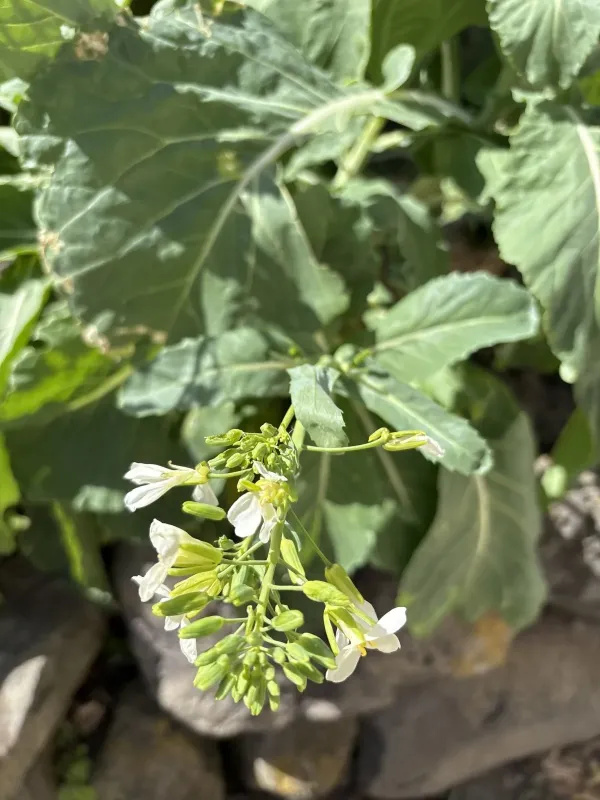
Description
Sowing dates
Chinese kale, commonly known as Kailaan, is a fast-growing vegetable that thrives in temperate climates. Sowing can be staggered throughout the growing season, beginning in early spring as soon as the soil is workable and temperatures reach at least 10-12 degrees Celsius.
For a late-season harvest, seeds should be sown in late summer, ensuring the plants have enough time to reach maturity before the onset of harsh winter conditions. Seeds germinate rapidly, typically emerging within 5 to 7 days under optimal soil moisture conditions.
In greenhouse settings, sowing can begin as early as late winter. This allows growers to provide the local market with fresh greens well before the traditional open-field season begins, maximizing agricultural productivity.
When sowing directly in the field, seeds should be placed in rows spaced 30 to 40 centimeters apart. A planting depth of 1.5 to 2 centimeters is ideal to ensure sufficient soil contact and uniform germination rates.
Transplanting seedlings started in trays is a common practice to gain a head start. Seedlings are ready for the field when they are approximately 20-25 days old, ensuring they are sturdy enough to withstand transplant shock.
Growing requirements
Belonging to the Brassicaceae family, Chinese kale requires consistent moisture to produce tender, high-quality leaves. Maintaining soil moisture levels around 75-80% is critical for preventing the plants from becoming woody or bitter.
The plant prefers full sun exposure but benefits from light shading during the hottest summer afternoons to prevent bolting. Bolting, or premature flowering, significantly degrades the culinary quality of the stems and leaves.
Rich, well-draining soil with a pH level between 6.0 and 7.0 provides the best foundation for growth. Incorporating organic compost before planting helps improve soil texture and nutrient retention.
Ideal growth occurs in temperatures ranging from 15 to 22 degrees Celsius. While it is hardy, extreme fluctuations can stress the crop, making proper soil management and mulching essential practices for the modern agronomist.
Balanced fertilization is key; a nitrogen-rich starter promotes leafy development, while phosphorus and potassium help strengthen the stems for better market presentation and structural integrity.
Yield
Yield potential for Chinese kale is impressive under intensive management, often ranging from 2 to 4 kilograms per square meter. Achieving these targets requires careful attention to plant spacing, with an ideal density of 15-20 plants per square meter.
Optimal growth is stimulated by regular weeding, which reduces nutrient competition, and proper soil aeration. Maintaining a consistent irrigation schedule prevents the plants from experiencing the water stress that leads to diminished yields.
Using high-quality hybrid seeds can significantly increase both uniformity and total output. These varieties are often bred for higher resistance to common environmental stressors, ensuring a more predictable harvest window.
The production cycle is short, with a maturity period of 45 to 60 days depending on the season and variety. Efficient management allows for multiple crops per year, especially in regions with longer growing seasons.
Monitoring the crop for signs of maturity is essential for maximizing yield. Harvesting at the peak of quality ensures that the produce meets the standards for premium market prices, maximizing the overall economic return.
Main diseases and pests
The most persistent threats to Chinese kale include flea beetles, which can cause significant damage to young leaves during the early growth stages. Row covers or integrated pest management strategies are often necessary to protect seedlings.
Cabbage worms and loopers can also cause extensive leaf damage. Early detection through regular field scouting is the most effective way to manage these pests before they reach economic threshold levels.
Fungal issues such as clubroot and Fusarium wilt represent major risks, especially when crop rotation is neglected. Rotating brassicas with non-related crops every 3-4 years is the primary preventive measure against these soil-borne pathogens.
Downy mildew can thrive in high-humidity conditions or areas with poor air circulation. Providing adequate plant spacing and ensuring that leaves stay dry during the evenings helps mitigate the spread of fungal spores.
Slugs and snails can also be problematic in wet weather. Using physical barriers like copper tape or environment-friendly baits can help manage these populations in damp areas where they are particularly prevalent.
Harvesting
Harvesting Chinese kale is typically done by hand, selecting plants that have reached the desired size before the central flower bud begins to bloom. This ensures the leaves remain crisp and the stems are succulent.
It is best to harvest in the early morning when the plant tissue is fully turgid and the air temperature is cool. A clean, sharp cut is made at the base of the plant or specifically at the leaf junction to encourage secondary growth.
Post-harvest handling is critical, as Chinese kale is highly perishable. Rapid cooling and protection from direct sunlight prevent wilting and maintain the bright green color that consumers prefer in fresh produce.
For short-term storage, the harvested product should be kept in cold storage at 0 to 2 degrees Celsius with high relative humidity. This maintains the crispness and nutritional value for up to two weeks.
Proper bundling and packaging are essential for maintaining quality during transit to the market. Ensuring the product is free from yellowed or damaged outer leaves enhances its presentation and overall shelf appeal.