
Britoa
Britoa
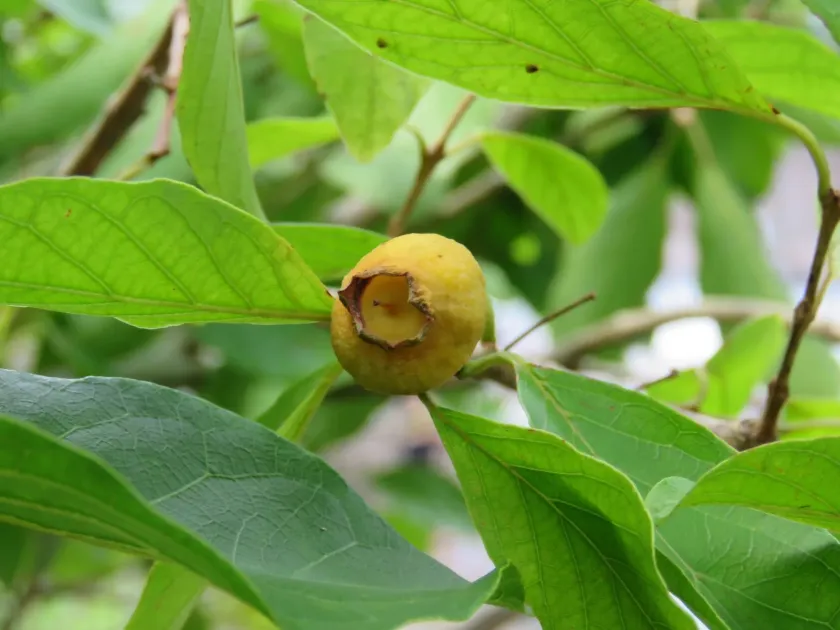
Description
Growing requirements
Britoa is a genus of evergreen fruit-bearing trees and shrubs belonging to the Myrtaceae family. In modern botanical research, many species previously assigned to Britoa are now classified under the genus Campomanesia, sharing similar physiological traits with other myrtle relatives.
The native distribution of these plants is primarily concentrated in the tropical and subtropical regions of South America, with a strong prevalence in Brazil. The species thrive in warm and humid environments, typical of rainforest understories and subtropical forest transitions.
Successful cultivation requires fertile, well-draining soils with a slightly acidic to neutral pH profile. Waterlogged conditions are detrimental to the root system, making effective drainage management essential for orchard establishment and long-term tree health.
The plants exhibit a strong preference for high solar radiation to maximize fruit production, although they can tolerate partial shade during early growth stages. Ideal temperatures for vegetative growth range between 22 and 28 degrees Celsius, while mature trees can withstand limited exposure to cooler conditions.
Agronomic practices focus on consistent irrigation during the dry season and balanced fertilization to ensure optimal fruit yield. Periodic pruning is recommended not only to maintain plant size but also to improve airflow within the canopy, which is crucial for overall plant vitality.
Yield
The fruits of Britoa are juicy, highly aromatic berries known for their distinct flavor profile. They are traditionally consumed fresh by local populations and are increasingly processed into juices, jellies, and high-value gourmet food products due to their unique sensory characteristics.
Main diseases and pests
The main threats to Britoa plantations are fungal diseases and specific insect pests that proliferate in high-humidity environments. Preventive strategies involve maintaining proper canopy density and strictly adhering to sanitary horticultural practices to minimize infection risks during the peak growing season.