
Napa cabbage
Brassica rapa L. subsp. campestris (L.) A. R. Clapham
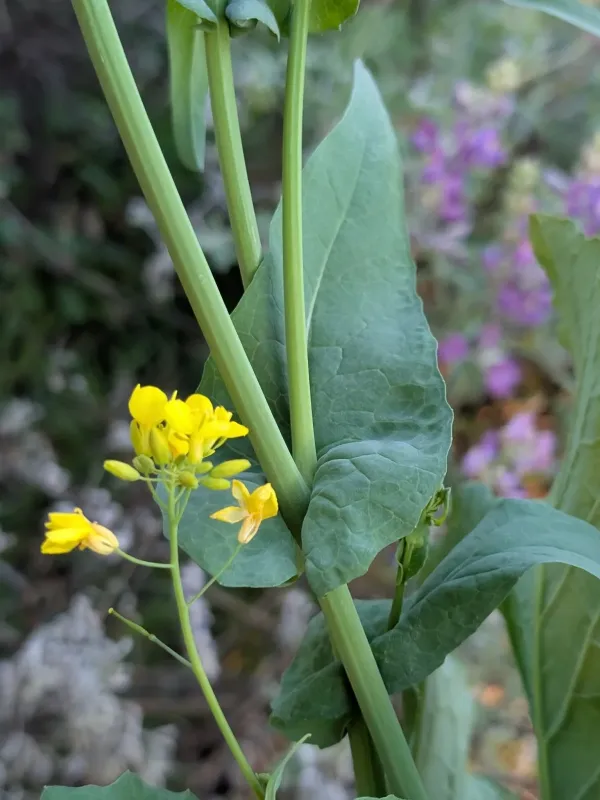
Description
Sowing dates
Napa cabbage (Brassica rapa L. subsp. campestris) is a fast-growing, cool-season vegetable. Proper timing is crucial because it is highly sensitive to day length and temperature, which can trigger premature bolting if not managed correctly.
For spring crops, seeds are typically sown in early spring. It is vital to select bolt-resistant hybrid varieties to ensure that the plants form heads rather than flowering stems under the lengthening daylight of spring.
The autumn crop, sown in late summer, is generally more successful for storage purposes. The cooling temperatures and shortening days in autumn provide ideal conditions for the development of tight, high-quality heads.
Direct seeding is often preferred to avoid root disturbance, as the plant is notoriously sensitive to transplant shock. If starting indoors, biodegradable pots are recommended to allow for seamless transition to the soil.
Spacing requirements involve keeping 40-50 cm between rows and 30-40 cm between plants. Providing sufficient space ensures proper airflow, which is a critical factor in preventing moisture-related fungal diseases.
Growing requirements
Napa cabbage thrives in fertile, well-draining, and moisture-retentive soils with a pH level between 6.0 and 7.0. Because the plant is susceptible to clubroot, maintaining a neutral pH through regular liming is a standard agronomic practice.
The ideal temperature for growth is between 15°C and 22°C. Excessive heat, especially when coupled with long days, often results in poor head formation and bitter leaves, significantly reducing the crop's market value.
Adequate water supply is essential throughout the growing cycle. The plant's shallow root system makes it vulnerable to drought; consistent moisture is necessary to keep the foliage succulent and to prevent internal tipburn.
Balanced fertilization is key to growth. High nitrogen levels during the early vegetative stage promote rapid leaf development, but nitrogen application should be limited as the head matures to ensure product safety and quality.
Crop rotation is mandatory. Napa cabbage should not be planted in soil where other Brassicaceae species were grown within the last 3-4 years to mitigate the risk of soil-borne pathogens and common pests.
Yield
Average yields for Napa cabbage typically range from 30 to 60 tonnes per hectare, depending on local conditions, plant density, and the specific hybrid chosen for the production cycle.
Intensive hydroponic or greenhouse production can significantly boost yields, allowing for year-round harvesting and shorter cycles that last between 50 and 65 days from seed to harvest.
Marketable quality relies on head density and appearance. A standard, high-quality head should weigh between 0.8 kg and 1.5 kg, with crisp, light-colored inner leaves protected by green outer leaves.
Modern F1 hybrids offer high uniformity, which is vital for commercial grading and packing. This consistency allows farmers to schedule harvests precisely to meet market demands and reduce waste.
Yield management also involves thinning operations if the seeding was too dense, ensuring that every plant has the light and nutrient resources needed to reach its full marketable size.
Main diseases and pests
Flea beetles are a primary pest during the seedling stage, capable of causing devastating damage to emerging leaves. Protective covers (row covers) are highly effective in the first few weeks after planting.
Cabbage worms and loopers can cause significant structural damage by feeding on the leaves and boring into the forming heads, often introducing secondary bacterial rots that render the cabbage unsellable.
Slugs are a frequent problem in damp environments, particularly in the autumn. Using iron phosphate-based baits or creating physical barriers can help manage these populations without harming the wider ecosystem.
Clubroot is a major soil-borne threat that causes the roots to swell and the plant to wilt. Once present in the soil, it is difficult to manage, making preventative measures and long crop rotations essential.
Bacterial soft rot is a common post-harvest or pre-harvest issue triggered by high humidity and warm temperatures. Ensuring adequate ventilation and avoiding harvesting while the plants are wet are key control measures.
Harvesting
Harvesting is performed once the heads reach the desired firmness. The heads are typically cut at the base of the plant with a sharp blade, and excess outer leaves are removed in the field.
Timing the harvest is crucial to avoid frost damage if winter is approaching, though the plant can tolerate light frosts. Harvesting in the cooler parts of the day helps preserve the crispness of the leaves.
For storage, the cabbage should be pre-cooled rapidly to about 0°C to 2°C with high relative humidity (around 95%). Under these conditions, the product can remain fresh for several months.
Careful handling during the packing process is required to avoid bruising. Any mechanical injury to the leaves acts as an entry point for spoilage organisms, which quickly degrade the head quality.
When transported, proper airflow is necessary. Overly restrictive packaging or lack of ventilation can lead to an accumulation of heat and moisture, which triggers rapid decay within the shipping containers.