
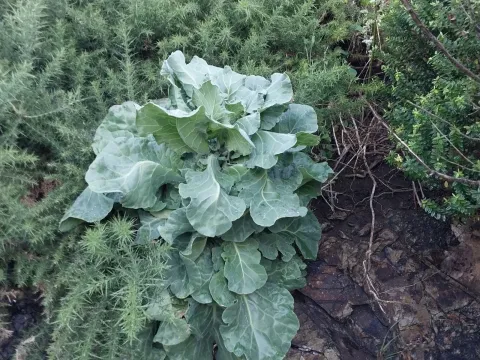
Kale
Brassica oleracea L. (Broccoli Group)
Kale (Brassica oleracea L. var. sabellica) is a robust, cold-hardy member of the Brassicaceae family. Direct sowing in open fields typically starts in early spring as soon as the soil reaches a temperature of at least 10°C (50°F).
What the section contains
Kale
For an earlier start, sowing in trays or greenhouse cells is highly effective. Seedlings are generally ready for transplantation after 4-6 weeks, once they have developed 3-4 true leaves. This approach ensures more uniform establishment and better survival rates.
Kale seeds should be planted at a depth of approximately 1-2 cm. Maintaining consistent soil moisture is crucial during the germination phase, which usually lasts about 7-10 days depending on environmental conditions.
For optimal plant development, spacing should be set between 30 to 50 cm depending on the variety's mature size. Proper spacing is essential to encourage air circulation, which significantly reduces the risk of foliar diseases throughout the growing season.
Successive sowings every 3-4 weeks allow for a continuous supply of fresh harvest from early summer until late autumn. In mild climates, kale can even be sown in late summer for a bountiful harvest throughout the winter months.
Kale thrives in full sun but can tolerate partial shade, especially in warmer climates. The crop prefers well-drained, fertile soil rich in organic matter, with a pH balance maintained between 6.5 and 7.0 for optimal nutrient availability.
Consistent moisture is the key to producing tender, high-quality leaves. Drought stress can lead to bitter, tough foliage, significantly reducing the culinary value of the harvest. Regular irrigation is therefore a fundamental requirement.
The plant is highly adaptable and performs best at temperatures ranging from 15°C to 22°C. It is remarkably resilient, capable of surviving frosts down to -7°C, which often improves the flavor by increasing the sugar concentration in the leaves.
Nutrient management is straightforward: incorporate well-rotted compost during pre-planting soil preparation. Supplement with balanced fertilizers or nitrogen-rich amendments if the growth appears slow, particularly in high-yielding plots.
Rotate kale crops with non-brassica plants such as legumes or nightshades to prevent the build-up of soil-borne pathogens. This simple agricultural practice preserves soil health and minimizes the need for synthetic inputs.
Kale is a prolific producer, with yields averaging between 3 to 5 kg per square meter under good management. Harvesting techniques, such as the "cut-and-come-again" method, can significantly enhance total seasonal output.
Commercial producers utilizing intensive systems can achieve higher yields through close monitoring of nutrient levels and irrigation schedules. Hydroponic and greenhouse systems also offer potential for year-round production.
Variety selection plays a major role in yield. Curly leaf types offer excellent market appeal and texture, while flat-leaf (lacinato) types are often preferred for processing. Both can be highly productive when provided with adequate space and light.
Well-maintained kale plants can persist for two seasons in temperate regions, though yield typically peaks during the first year. Understanding the growth cycle helps in planning for maximum efficiency and return on investment.
To ensure high yield quality, avoid overcrowding. Crowded plants compete for resources and become prone to pest infestations, which ultimately reduces the marketable portion of the harvested greens.
Flea beetles are the most common early-season pest, capable of damaging seedlings rapidly. Row covers provide an effective physical barrier to protect young plants before they become established.
Cabbage worms and loopers can cause severe damage to the foliage. Integrated pest management, including regular inspection and the use of biological controls like Bacillus thuringiensis (Bt), is effective in keeping populations under control.
Clubroot is a serious soil-borne fungal disease that attacks the roots, leading to wilting and stunted growth. Soil pH adjustment and strict adherence to crop rotation schedules are the primary methods for preventing this pathogen.
Aphids often colonize the underside of leaves, curling and distorting them. Managing these infestations early with insecticidal soaps or neem oil prevents widespread damage and ensures leaf quality is maintained.
Downy mildew and powdery mildew may appear during periods of high humidity and stagnant air. Promoting good airflow through proper spacing is the best preventive strategy against these widespread fungal threats.
Harvesting usually begins once the leaves reach a usable size, typically 50-70 days after planting. Focus on removing the outer, older leaves first, allowing the central terminal bud to continue producing fresh growth.
Use clean, sharp tools to make precise cuts. This minimizes tissue damage and prevents the entry of pathogens into the main stem of the plant. A clean cut ensures faster regrowth for the next harvest cycle.
Harvesting is best done in the early morning or late evening when the leaves have high turgor pressure. This ensures the best texture and shelf life for the harvested produce, preventing premature wilting.
For processed kale, the entire plant is often cut at the base once it reaches maturity. This is a standard practice for bulk production, especially for kale intended for freezing or commercial drying.
Post-harvest care involves quick cooling to 0-2°C. Stored in a plastic bag with light ventilation, fresh kale can maintain its nutritional quality and crispness for up to two weeks in refrigerated conditions.