
Ecbolium ligustrinum
Ecbolium ligustrinum
Description
Growing requirements
Ecbolium ligustrinum is a perennial evergreen shrub belonging to the Acanthaceae family. Native to the tropical regions of Africa and Asia, this plant thrives in warm, humid forest environments, making it a distinctive species within its botanical range.
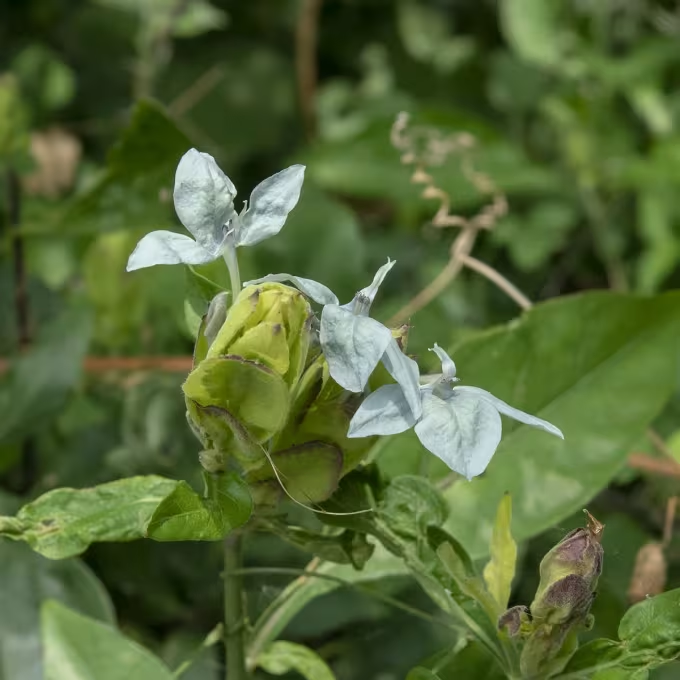
The plant is named for its leaves, which resemble the foliage of privet (Ligustrum). Its unique, often bluish flowers provide significant ornamental value, making the shrub a popular choice for conservatories and tropical landscape gardening where frost is non-existent.
Climate requirements for this species are strict; it demands a stable tropical environment with temperatures consistently above 20 degrees Celsius. Exposure to cold drafts or sub-optimal temperatures will lead to leaf drop and stunted growth of the plant's main stems.
Soil conditions should focus on high organic content and excellent drainage properties. A loamy, well-aerated soil mix with a neutral pH is ideal for promoting healthy root development, while the inclusion of perlite or sand can help maintain the necessary soil structure.
Cultural practices include consistent watering during the growing season and periodic light fertilization with balanced nutrients. Regular pruning is recommended to maintain a compact, bushy habit and to encourage the production of blooms on new growth during the warmer months.
Main diseases and pests
The most common pests affecting this shrub are spider mites and mealybugs, which tend to proliferate in environments with low humidity. These pests feed on the underside of the leaves, causing mottling and damage to the plant's overall aesthetic structure.
Root rot is the primary disease threat, typically caused by waterlogged soil conditions. Poor drainage inhibits root respiration and creates an anaerobic environment where fungal pathogens can thrive and destroy the plant's foundational root system quickly.
Effective management strategies include maintaining good air circulation and allowing the top inch of soil to dry out between watering sessions. Using systemic fungicides can assist in controlling persistent fungal issues if traditional preventative measures prove insufficient.
Biological controls are highly recommended for pest management to preserve the plant's vitality. Regular inspection of the stem bases and leaf axils ensures early detection of infestations, allowing for immediate intervention before the problem reaches critical levels.
Environmental stability is the best defense against threats; by minimizing temperature fluctuations and maintaining humidity, growers can significantly bolster the natural resistance of Ecbolium ligustrinum to both pathogens and insect invasions.