
Ecbolium viride
Ecbolium viride
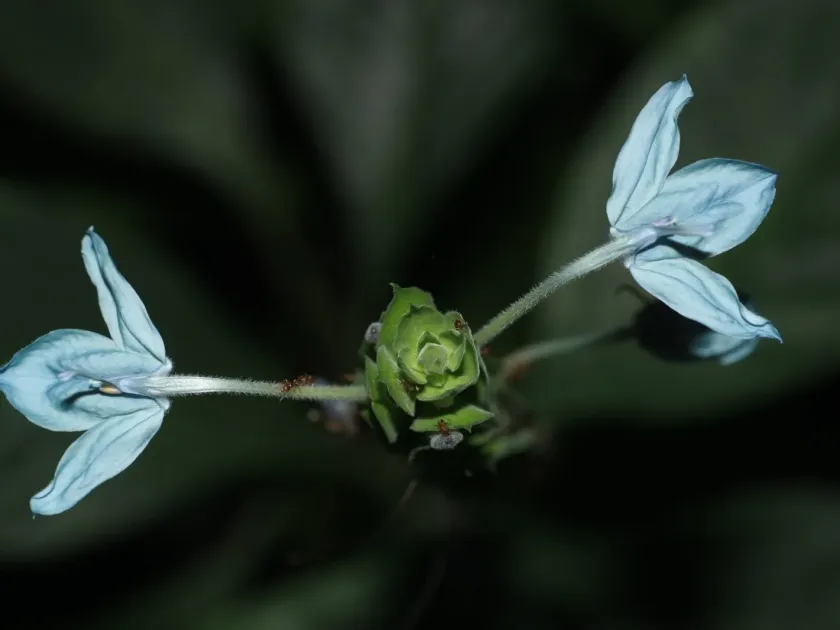
Description
Sowing dates
Propagation of Ecbolium viride in specialized nursery conditions is primarily achieved through seeds sown in a controlled greenhouse environment. The seeds are placed in a prepared substrate that ensures excellent drainage, which is critical to preventing root rot during early development stages.
The optimal time for sowing is during the spring season when daylight hours increase significantly. In greenhouse conditions, it is essential to maintain a constant soil temperature of at least 22–24 degrees Celsius to facilitate uniform germination of the planting material.
To accelerate the germination process, it is recommended to soak the seeds in growth stimulants prior to sowing. Seeds should be planted at a shallow depth, lightly covered with substrate to ensure they remain moist while still receiving necessary light exposure.
In regions with favorable climates, transplanting seedlings into open fields is possible once the risk of night frost has completely passed. The plant is sensitive to sudden temperature changes, making the hardening-off process for seedlings a mandatory agronomic procedure.
For vegetative propagation, stem cuttings are rooted in a sand-peat mixture under high humidity conditions. This method is effective for maintaining the genetic and phenotypic characteristics of the parent plant, which is vital for commercial production.
Growing requirements
Ecbolium viride belongs to the Acanthaceae family and is a characteristic species of tropical flora. The plant has high requirements for temperature stability, preferring constant warmth throughout its entire active growing period.
The crop thrives in fertile, well-aerated soils with a neutral to slightly acidic pH. Waterlogging in the root zone must be strictly avoided, as it leads to the rapid development of pathogenic microorganisms and inevitable plant failure.
Proper lighting is a key metabolic factor; to encourage sturdy stem development and abundant flowering, Ecbolium requires bright, filtered light. Direct midday sunlight should be avoided to prevent leaf scorch and tissue damage.
Air humidity levels should be kept between 60 and 70 percent to simulate the plant's natural native habitat. Watering must be systematic but moderate, ensuring the soil remains moist without becoming saturated.
The plant responds well to balanced mineral fertilizers. Nitrogen-rich feeds are beneficial during the early vegetative phase, while phosphorus and potassium complexes should be introduced during the flower bud formation phase to support productivity.
Main diseases and pests
The primary pests affecting this crop in greenhouse environments include spider mites and whiteflies. These insects multiply rapidly if humidity levels and air temperatures are not strictly managed and kept within optimal ranges.
Fungal diseases, such as root rot and powdery mildew, often appear due to excessive watering and poor air circulation. Timely removal of affected plant parts and professional fungicide application are essential to minimize crop losses.
Integrated pest management, including the use of biological control agents or systemic insecticides, is recommended for effective protection. Alternating between different classes of pesticides is necessary to prevent the development of pest resistance.
Preventing diseases relies heavily on maintaining optimal planting density and ensuring regular ventilation of growing facilities. Overcrowded conditions trap moisture, creating an ideal microclimate for the spread of fungal pathogens.
A routine monitoring program should be established, with inspections performed at least weekly. Detecting early signs of infestation or infection allows for rapid implementation of sanitary measures, ensuring the overall health of the crop.