
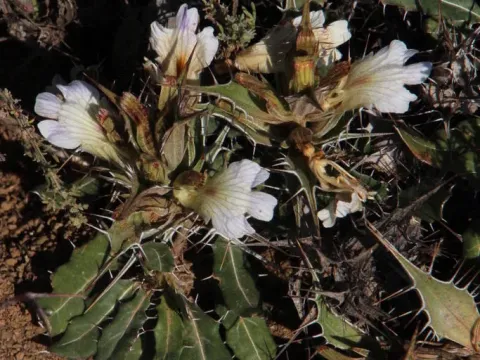
Blepharis
Blepharis
Sowing of Blepharis is typically conducted during the spring season when soil temperatures are consistently high enough to support rapid germination. Given the plant's resilience, it is essential to ensure that the danger of frost has passed before placing seeds into the soil.
What the section contains


Blepharis
The sowing depth must be kept shallow to ensure proper oxygen exchange, which is critical for the initial development of the seedling. A standard row sowing method is recommended, as it allows for an even distribution of the crop and facilitates easier maintenance of the fields during the season.
Proper soil preparation, including deep plowing and leveling, is necessary to retain moisture in the subsurface layers. This moisture retention is a decisive factor for the success of the plant in arid regions where rain is unpredictable.
Seeding rates are determined by the quality of the seed lot and the targeted crop density. Achieving the right density is crucial as it helps the crop suppress weeds naturally and maximizes the yield potential of the plot.
In regions with distinct monsoon seasons, sowing is often synchronized with the arrival of the rains. This allows the plants to establish a robust root system quickly, ensuring they can survive the subsequent dry periods without stress.
Blepharis belongs to the Acanthaceae family and is highly recognized for its adaptation to harsh, arid environmental conditions. The crop shows remarkable endurance against prolonged droughts, making it a valuable candidate for agriculture in water-scarce areas.
The plant thrives best in well-drained sandy or sandy-loam soils, provided there is no waterlogging. Access to direct sunlight is vital for growth, as shading significantly restricts the rate of biomass accumulation and general plant vigor.
An optimal temperature range for development is between 25 and 35 degrees Celsius. The crop is sensitive to excess soil moisture, which can lead to root rot and other physiological issues that hamper overall productivity.
While the nutrient requirements are relatively moderate, the application of phosphate-based fertilizers during the early stages of development significantly boosts root architecture. The plant is known to be tolerant to certain levels of soil salinity, expanding its utility range.
Biologically, the species evolved in open savannas and semi-desert environments in Africa and parts of Asia. This dictates the need for maintaining good soil aeration and avoiding heavy machinery that might cause significant soil compaction.
The biomass yield of Blepharis is a dynamic figure that relies heavily on climatic conditions and the intensity of field management. In arid zones, it provides stable yields, even without the support of artificial irrigation systems.
When irrigation is provided during critical growth phases, the yield potential increases substantially, allowing for multiple cuttings within a single growing season. This makes it a highly promising source of fodder for intensive farming operations.
The primary agricultural use involves harvesting the crop for hay or using it as a managed pasture. The plant is prized for its ability to retain essential nutrients even after it has been dried, making it suitable for supplemental winter feeding.
The biomass contains a balanced profile of proteins and essential minerals, which supports the nutritional needs of livestock. Integrating this crop into the feed ration helps mitigate the impact of shortages in traditional grass availability.
Peak nutrient concentration typically occurs during the budding phase. Therefore, management practices are usually optimized to harvest the crop during this window to ensure the highest quality of the produced forage.
The primary threats to Blepharis crops include fungal diseases that stem from poor drainage or waterlogging. Excess moisture around the root zone is the most frequent cause of stand failure and crop loss.
Insect pests, such as certain species of orthopterans and weevils, can cause physical damage to the leaves and stems. This damage not only reduces the harvested biomass but can also stress the plant, making it susceptible to secondary infections.
Soil compaction caused by heavy equipment usage can foster the development of soil-borne nematodes. Regular cultivation and soil loosening in the inter-row spaces are necessary to maintain a healthy root environment.
Crop rotation is the most effective strategy to manage the pathogen load in the field. Alternating with unrelated plant families helps break the life cycles of specific pests and diseases associated with the Acanthaceae family.
Biological control measures are preferred over chemical treatments to maintain ecological equilibrium. Ongoing monitoring is essential to detect pest outbreaks before they exceed economic damage thresholds.
Harvesting Blepharis requires careful synchronization with the plant's phenological stage. The ideal window for mowing is during early flowering, when the accumulation of vital nutrients reaches its peak before seed formation.
For hay production, rapid drying is required to prevent the loss of foliage, which is the most nutrient-dense part of the plant. Utilizing modern baling technology ensures that the quality and palatability of the feed are preserved.
For seed production, the harvest is delayed until the seed pods are fully mature. The process should be handled with extreme care, ideally in the early morning, to minimize the loss due to natural seed shattering.
When managing pastures, a rotational grazing scheme is highly recommended to promote recovery and prevent soil degradation. Overgrazing during the early growth phase can deplete the energy reserves stored in the roots.
Crop residues left after the harvest should be incorporated back into the soil as organic amendment. This practice contributes to long-term soil health and sustains the productivity of the land for future planting cycles.