
Blepharis molluginifolia
Blepharis molluginifolia
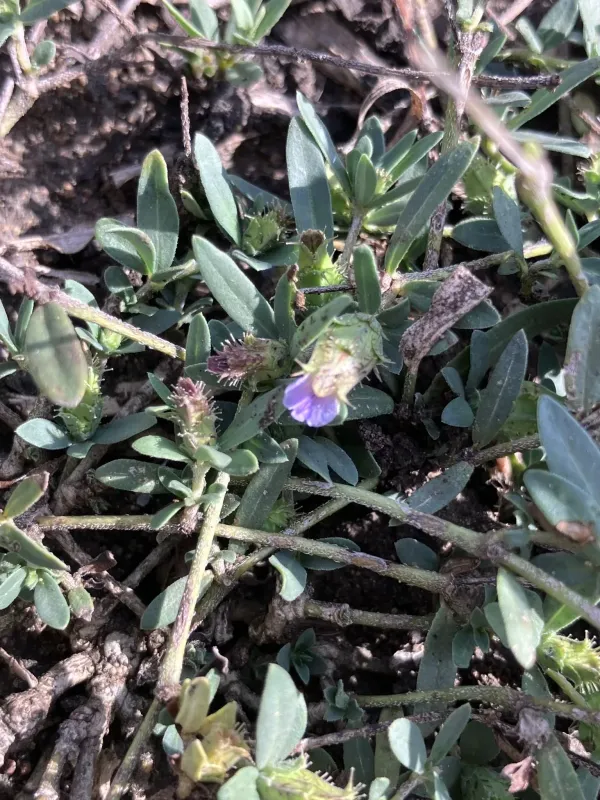
Description
Sowing dates
Blepharis molluginifolia is a member of the Acanthaceae family, known for its resilience in harsh environmental conditions. The plant is typically found in arid and semi-arid regions where it has adapted to fluctuating water availability.
Seed germination usually occurs during the early rainy season. For controlled cultivation, seeds should be sown in well-prepared, loose soil once the ground temperature consistently stays above 20 degrees Celsius to ensure uniform emergence.
The optimal sowing depth is shallow, approximately one centimeter, as the seeds require slight light stimulation to break dormancy effectively. Seeds should be spaced to allow for adequate airflow between mature plants.
In managed environments, drip irrigation is recommended during the first stage of growth to establish a robust root system. Once the seedlings reach the four-leaf stage, their reliance on supplemental watering decreases significantly.
Regular maintenance during the seedling phase includes removing competing vegetation, as the young plants are slow to gain vigor and can be easily outcompeted by aggressive weeds in the early weeks.
Growing requirements
This species thrives in sandy, well-draining soils with minimal organic matter requirements. Soil porosity is essential to prevent the accumulation of moisture around the root collar, which can lead to rapid decay.
Blepharis molluginifolia requires full sun exposure for optimal growth and secondary metabolite production. Any shade or overcast conditions significantly inhibit the metabolic pathways necessary for plant development.
The plant is highly tolerant to heat, with active growth occurring at temperatures between 25 and 35 degrees Celsius. It can survive prolonged drought periods due to its succulent-like leaves and deep taproot system.
While the species is drought-tolerant, supplemental irrigation during the flowering phase can significantly improve biomass yield. It is essential to ensure that water application does not saturate the root zone.
Nutrient management focuses on phosphorus and potassium to enhance root development and stress resistance. Over-fertilization with nitrogen should be avoided to prevent excessive succulent growth that is prone to physical damage.
Main diseases and pests
Fungal pathogens represent the most significant threat to this crop, particularly root rot caused by stagnant water. Ensuring adequate drainage in the field is the primary preventative measure for all moisture-related diseases.
Insect pests, including various soil-borne larvae and leaf-feeding beetles, can cause localized damage. Integrated pest management (IPM) practices, such as pheromone traps, are recommended for controlling populations.
Insects like aphids can colonize plants during periods of environmental stress. Regular field inspections are necessary to identify early infestation stages and apply targeted, eco-friendly control measures.
Bacterial wilt can spread rapidly if the field is not properly sanitized after harvest. Crop rotation is highly recommended to break the life cycle of soil-borne pathogens that might accumulate over time.
Mechanical damage to the foliage during weeding can open entry points for opportunistic pathogens. It is advised to perform agricultural maintenance during dry, sunny hours to allow any micro-wounds to heal quickly.