
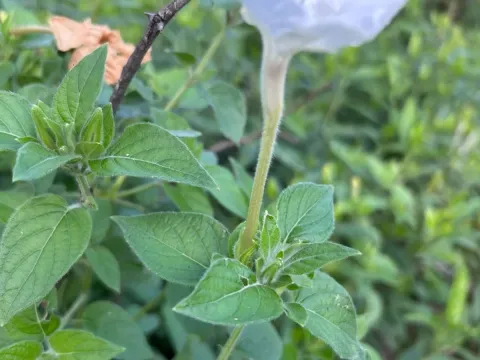
Blechum
Blechum
Blechum propagation is most commonly achieved through seeds or stem cuttings in greenhouse conditions. Successful seed germination requires maintaining a consistently high air temperature, not falling below 22–25 degrees Celsius.
What the section contains

Blechum
Sowing is carried out in a light, well-draining substrate rich in organic matter. After sowing, the soil surface is misted using a spray bottle to create a mini-greenhouse effect, preventing the top layer from drying out.
For vegetative propagation, cuttings are taken from young, healthy shoots during the active growth phase. Rooting is performed in perlite or a mixture of peat and sand, ensuring high ambient humidity.
The optimal time for starting sowing operations is early spring, when daylight hours begin to increase. This allows young plants to gain sufficient vegetative mass before the winter dormancy period.
After the first true leaves emerge, seedlings are transplanted into individual containers. It is essential to avoid damaging the root system, as the plant is quite sensitive to transplantation at a young age.
Blechum belongs to the Acanthaceae family and is a typical representative of the flora in tropical and subtropical regions of America. In its natural habitat, it prefers areas with filtered light, often found in the forest understory.
The crop has high humidity requirements, making regular misting necessary when grown indoors. Dry indoor air can lead to a loss of leaf quality and premature leaf drop.
The soil mixture should have a slightly acidic to neutral pH level. A high-quality drainage layer is mandatory, as waterlogging in the root zone is lethal and causes root rot.
The temperature range throughout the year should remain between 18–26 degrees. Sudden temperature fluctuations and drafts negatively affect growth rates and the overall health of the Blechum.
Watering should be regular but moderate, allowing the top layer of soil to dry out between sessions. During the winter, watering is reduced, accounting for the plant's decreased metabolic activity.
The main pests for Blechum in protected environments are spider mites and mealybugs. These insects multiply rapidly when humidity levels are ignored and air temperatures are high.
For pest prevention, it is recommended to regularly inspect the undersides of the leaves. If signs of infestation are detected, treatment with specialized insecticides or acaricides should be performed.
Fungal infections, such as root rot, occur exclusively due to systematic overwatering of the soil. This disease manifests as yellowing of the lower leaves and general stunting of stem growth.
In high humidity conditions with poor ventilation, powdery mildew may develop. In this case, the use of copper or sulfur-based fungicidal preparations according to the label instructions is effective.
To maintain plant health, it is important to keep tools and substrates clean. Infestation often occurs via low-quality commercial soil, which requires prior disinfection before use.