
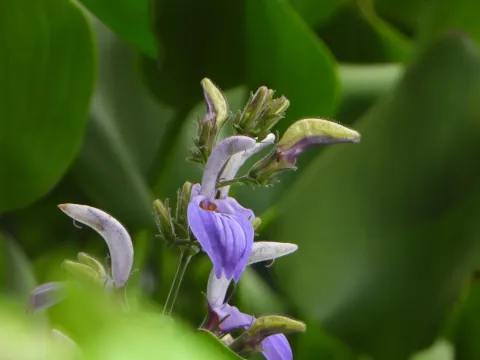
Brillantaisia
Brillantaisia
Brillantaisia is a genus of perennial herbaceous plants belonging to the Acanthaceae family. Native to the tropical regions of Africa, these plants are known for their distinctively large leaves and racemes of attractive, orchid-like flowers, which make them a subject of interest for specialized horticulture.
What the section contains


Brillantaisia
The climate requirements for Brillantaisia are strictly tropical. They thrive in consistent temperatures between 20°C and 28°C and are highly sensitive to frost. In non-tropical regions, they are typically cultivated in controlled environments such as greenhouses or conservatories.
Soil composition is crucial for the healthy development of this species. It requires well-draining, nutrient-rich soil that mimics the organic-rich forest floors of its natural habitat. Maintaining constant moisture is essential, but proper drainage is non-negotiable to prevent root decay.
Brillantaisia prefers bright, filtered light. While they can tolerate some partial shade, insufficient light will result in leggy stems and poor flowering. Conversely, direct midday sun is too intense and can lead to severe leaf scorching.
High relative humidity is a prerequisite for success with this plant. Regular misting, the use of pebble trays, or automated humidification systems are necessary to maintain the environmental conditions that allow the foliage to remain healthy and vibrant.
Spider mites are a common threat, particularly when indoor humidity levels drop. These pests can rapidly colonize the undersides of leaves, causing stunted growth and chlorosis if left untreated during the early stages of infestation.
Fungal infections, such as leaf spot or powdery mildew, can occur if ventilation is inadequate. Ensuring that air circulates freely around the foliage is a key management strategy for preventing the spread of these pathogens.
Root rot, driven by overwatering or compacted soil, represents the most critical biological threat. Maintaining a strict irrigation schedule and using breathable containers can significantly reduce the risk of this condition.
Whiteflies are another common concern in enclosed cultivation. Monitoring and the use of physical barriers or targeted biological controls are often more effective than traditional pesticides for maintaining plant health.
General hygiene, such as promptly removing dead foliage and sanitizing pruning tools, is essential to minimize the risk of infection. A proactive approach to plant health is necessary for long-term survival in an artificial climate.