
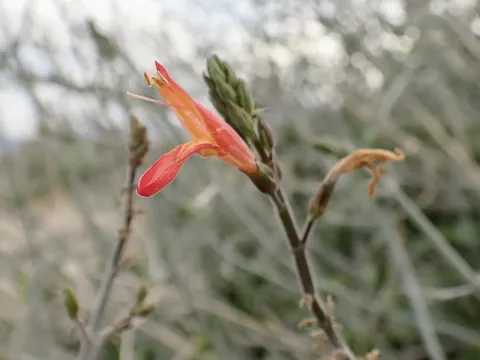
Beloperone
Beloperone
Beloperone, scientifically known as Justicia brandegeeana, is a perennial evergreen shrub belonging to the Acanthaceae family. Originating from the tropical forests of Mexico, it is widely recognized for its unique, shrimp-shaped bracts that create a distinct decorative appearance.
What the section contains

Beloperone
The plant thrives in bright, filtered light conditions. While it requires significant light to bloom, direct afternoon sunlight can scorched its foliage. Ideally, it should be placed in a location with abundant indirect light to maintain the saturation of its bracts and foliage color.
Climate requirements include a stable temperature range between 20°C and 25°C during the active growth period. As a tropical species, it is sensitive to cold drafts and temperature fluctuations; thus, maintaining a warm, steady environment is critical for its long-term health.
Soil quality is paramount for Beloperone. It requires a well-draining, nutrient-rich substrate, typically composed of peat moss, loam, and sand. The mix should be slightly acidic to neutral to ensure efficient nutrient uptake and prevent the yellowing of foliage.
Watering management involves keeping the soil consistently moist but never waterlogged. During the winter months, when the plant enters a period of dormancy, watering frequency should be reduced significantly, allowing the top inch of soil to dry out before the next irrigation.
Spider mites are the most prevalent pest for Beloperone, especially in indoor environments with low humidity. Regular misting and maintaining proper air circulation are essential preventive measures to keep these arachnids at bay throughout the year.
Scale insects can often be found clustered on stems and the undersides of leaves. These pests weaken the plant by extracting sap, so periodic inspections are necessary to identify and treat infestations early with horticultural oils or systematic insecticides.
Root rot is a common physiological condition caused by excessive soil moisture and poor drainage. If the stems appear limp or the roots become mushy and dark, the plant should be immediately re-potted into fresh, dry medium after pruning damaged roots.
Fungal leaf spot diseases may appear if the plant is kept in an environment with high humidity and stagnant air. Providing better ventilation and removing affected leaves immediately helps to mitigate the spread of fungal spores across the foliage.
Nutrient deficiency, particularly iron or magnesium, can manifest as interveinal chlorosis. To address this, it is recommended to apply a balanced liquid fertilizer during the active growing season, ensuring the inclusion of essential micronutrients.