
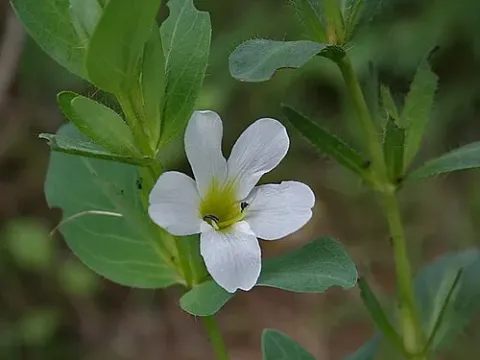
Barleriola
Barleriola
Barleriola is a genus of flowering plants belonging to the Acanthaceae family. These plants are primarily characterized by their shrubby or subshrubby growth habit and are adapted to specific ecological niches within their native range.
What the section contains
Barleriola
The distribution of the genus is concentrated in the Caribbean region, with species frequently found in limestone habitats. This geological preference highlights their ability to thrive in alkaline, rocky, and well-drained soil environments where nutrient availability is variable.
Botanically, Barleriola species feature opposite leaves and tubular flowers typical of the Acanthaceae family. Many species exhibit xerophytic traits, allowing them to withstand prolonged periods of drought, which is a key survival strategy in their native tropical dry forests.
Successful cultivation requires high light intensity and strict moisture management. Growers must ensure excellent drainage to prevent root rot, as these plants are highly intolerant of waterlogged conditions, reflecting their evolution in porous limestone substrates.
In terms of practical utility, Barleriola is mostly grown for ornamental purposes or as a subject of botanical study. It is not currently utilized as a staple field crop, but its resilience to extreme environmental stressors makes it an interesting subject for plant physiology research.