
Blepharis maderaspatensis
Blepharis maderaspatensis
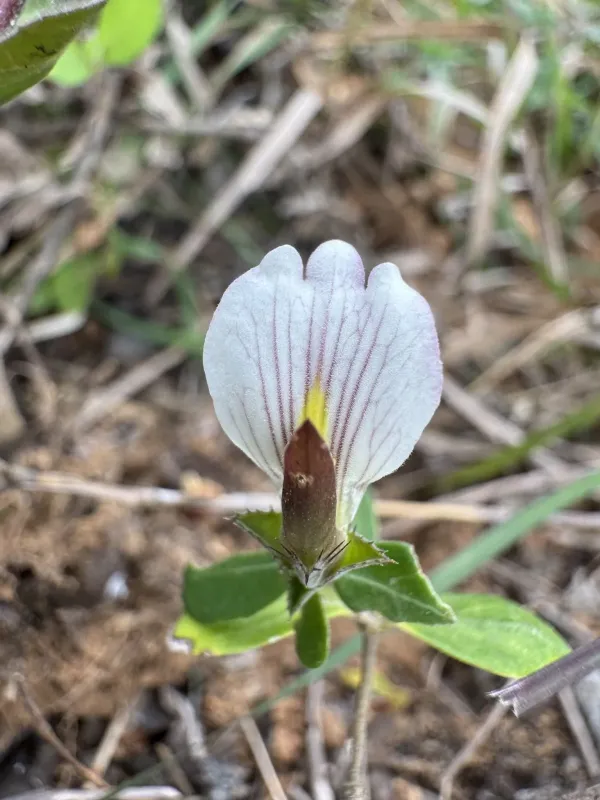
Description
Sowing dates
Blepharis maderaspatensis is a perennial herb that propagates primarily through seeds under natural conditions. For cultivation, the optimal sowing period is at the beginning of the rainy season or when soil temperatures consistently exceed 20°C, ensuring rapid and uniform germination of the seeds.
Preparation of the planting material involves extracting seeds from their pods and soaking them briefly to trigger metabolic processes. Seeds should be sown at a shallow depth of 1-2 centimeters, as they require access to ambient light to successfully initiate the development of the primary shoot.
Spacing is a critical factor due to the plant's prostrate, spreading growth habit. Proper density management prevents competition between neighboring plants, ensuring each specimen has adequate access to sunlight and soil nutrients, which is vital for vigorous vegetative development.
In commercial agriculture, nursery-grown seedlings are often preferred to direct seeding. This method ensures a higher survival rate and protects young, vulnerable plants from being outcompeted by weeds during the early, slow-growing stages of the life cycle.
Initial irrigation is necessary until the plants have established their root systems. Once established, the species exhibits impressive drought tolerance, making it an excellent candidate for regions where water resources are limited or erratic throughout the growing season.
Growing requirements
Blepharis maderaspatensis is a member of the Acanthaceae family and is well-adapted to tropical and subtropical climates. It thrives in open, sunny locations where it receives ample solar radiation, which is essential for the accumulation of its medicinal compounds.
The plant is not overly demanding regarding soil type, provided the medium is well-drained. It prefers sandy or rocky soils that prevent waterlogging, as the root system is sensitive to excessive moisture, which can easily trigger rot and compromise the plant's health.
Ideal temperatures for this species range from 25°C to 35°C. The plant has evolved morphological features, such as specialized leaf structures, that allow it to withstand prolonged dry spells and high heat, marking it as a highly resilient crop for arid environment farming.
A neutral soil pH is preferred for optimal nutrient absorption. If the soil is too acidic, the application of agricultural lime or dolomite powder is recommended to correct the chemical balance and ensure that micronutrients remain bioavailable to the plant roots.
While the plant responds well to moderate organic fertilization, one must avoid excessive nitrogen application. Over-fertilization can result in bloated, succulent growth that is more prone to pest attacks and less effective in terms of medicinal potency per unit of dry mass.
Yield
The economic value of Blepharis maderaspatensis lies in the harvest of its aerial parts and seeds for pharmacological use. Yield is highly dependent on consistent maintenance, proper irrigation, and the availability of essential soil nutrients throughout the growth cycle.
Harvesting is typically done through selective pruning, collecting the stems as they reach technical maturity. With careful management, multiple harvests per season can be achieved without exhausting the perennial root system, which allows for sustainable multi-year production.
Seeds are harvested once the seed pods turn dark brown, indicating full maturity. Productivity varies significantly based on pollinator activity, so maintaining a pollinator-friendly environment near the planting site is essential for maximizing overall seed output.
To boost biomass production, growers often implement shoot tip pruning, which encourages lateral branching. This results in a denser canopy with more leaf surface area, thereby increasing the total photosynthetic output and the quantity of the final harvestable product.
It is vital to time the harvest to coincide with the flowering stage, as the concentration of active medicinal constituents is at its peak during this period. Strategic timing ensures that the final product meets the quality standards required by the pharmaceutical industry.
Main diseases and pests
Blepharis maderaspatensis possesses a strong innate resistance to many common agricultural pests due to its complex chemical profile. This natural defense mechanism makes it a suitable candidate for organic and low-input farming systems where chemical use is restricted.
However, under high humidity or poor ventilation, the plant can be susceptible to fungal issues like powdery mildew. Maintaining adequate space between plants and ensuring good airflow are the primary preventive measures to keep these infections at bay and protect the harvest.
Sucking insects, such as aphids or spider mites, may target the plants during intense heat waves when the plant is under stress. These pests can weaken the herb, leading to leaf deformation and a decrease in the overall yield of medicinal materials if left unchecked.
Biological pest control methods, such as utilizing predatory mites or microbial insecticides, are the preferred approach. Avoiding synthetic chemicals is crucial for maintaining the plant's status as a high-quality, safe source of ingredients for medical applications.
Good field hygiene, including the removal of debris and the implementation of a proper crop rotation plan, is essential to minimize the risk of pathogen buildup in the soil. These practices ensure the long-term health and stability of the plantation.
Harvesting
Harvesting should begin when the plant reaches its full flowering phase to ensure the maximum concentration of bioactive compounds. The stems are cut using sharp tools, leaving approximately 10-15 centimeters of the base to allow for rapid recovery and regrowth.
After collection, the plant material must be transported immediately to the drying facility. Drying should occur in well-ventilated, shaded areas at temperatures below 40°C to prevent the degradation of volatile essential oils and other sensitive medicinal components.
Seed collection involves gathering the pods, drying them until they naturally crack, and mechanically separating the seeds. Storing seeds in hermetically sealed containers kept in a cool, dark environment is necessary to maintain high viability for the next season.
Cleaning and sorting the raw material are vital steps in the post-harvest process to remove dust, soil, and extraneous matter. Standardized, clean material is essential for processing into high-quality extracts, tinctures, or pharmaceutical powders.
Once harvesting is complete, the field should be cleared and the soil lightly tilled to promote aeration. Applying a light organic dressing at this stage helps the plant recover its energy reserves before entering the dormancy period, ensuring vigorous growth in the next cycle.