
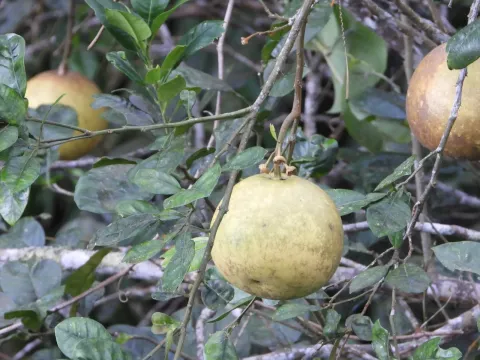
Kinkoji
Citrus obovoidea hort. ex I. Takah.
Kinkoji (Citrus obovoidea) is a distinct citrus cultivar belonging to the Rutaceae family. Native to Japan, this plant is highly regarded for its unique, obovate fruit shape and its potential as an ornamental fruit tree in subtropical garden collections.
What the section contains
Kinkoji
The plant thrives in warm, subtropical climates. It requires consistent temperature conditions, ideally ranging between 18 and 28 degrees Celsius. Kinkoji is sensitive to frost, which necessitates moving container-grown plants into sheltered environments during winter to prevent cold damage.
Soil requirements for Kinkoji involve a well-draining, nutrient-rich medium. A mix consisting of loam, compost, and coarse sand provides the necessary aeration for the root system. Maintaining a slightly acidic pH level between 6.0 and 6.5 is essential for optimal nutrient absorption.
Adequate sunlight is fundamental for the growth of Kinkoji. It requires at least six to eight hours of direct sunlight daily to produce high-quality fruit. In indoor setups, supplement lighting with full-spectrum LED grow lights is recommended to sustain healthy vegetative development.
Proper irrigation management is critical. The soil should be kept consistently moist but never waterlogged. Using tepid, filtered water prevents the accumulation of salts and minerals that can damage the sensitive roots of the citrus tree over time.
Spider mites are the most common pests affecting Kinkoji, particularly in indoor environments with low humidity. They congregate on the undersides of leaves, causing yellowing and webbing. Frequent misting and the use of horticultural oils can effectively manage mite populations.
Root rot, often caused by Pythium or Phytophthora species, is a significant threat associated with poor drainage. Implementing a strict watering schedule and ensuring that pots have adequate drainage holes is the most reliable way to prevent these pathogenic conditions.
Scale insects present another challenge, manifesting as small, hard bumps on stems and leaves. If discovered, they should be removed manually or treated with systemic insecticides designed for citrus plants to prevent the further spread of the infestation to other parts of the canopy.
Iron chlorosis, characterized by yellowing of the leaves while veins remain green, is a frequent nutritional issue. This is often corrected by applying foliar sprays containing chelated iron, which allows the plant to quickly recover its metabolic function and green pigmentation.
General sanitation is the primary defense against all threats. Regularly cleaning leaves, pruning dead branches, and ensuring proper airflow around the tree reduces the likelihood of fungal and pest outbreaks, promoting long-term vigor and productivity of the Kinkoji tree.