
Kaffir lime
Citrus hystrix DC.
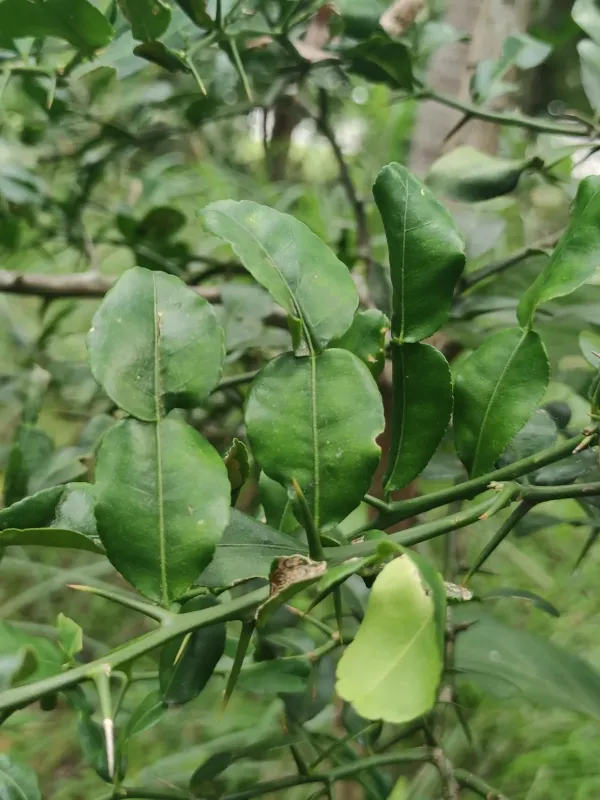
Description
Growing requirements
Kaffir lime (Citrus hystrix DC.) is an evergreen shrub or small tree belonging to the Rutaceae family. Native to Southeast Asia, it is globally recognized as a high-value culinary crop, particularly for its aromatic leaves.
The plant requires a tropical or subtropical climate to thrive. It performs best in temperatures between +20°C and +30°C and is highly sensitive to frost, which can severely damage or kill the plant in colder environments.
Ideal soil conditions include well-draining, fertile loams with a slightly acidic to neutral pH level. Proper drainage is critical, as root systems are prone to rot if exposed to persistent waterlogging or poor aeration.
Agricultural management requires consistent fertilization during the active growing season. The plant responds well to balanced nutrient supply, which supports vigorous foliage production, the primary harvestable component.
In non-tropical regions, Kaffir lime is commonly cultivated in containers. This allows growers to move plants into greenhouses or indoor spaces during winter, protecting them from cold-induced stress and ensuring consistent growth.
Yield
The primary agricultural output of the Kaffir lime is its leaves, which are rich in essential oils and are essential in Thai and Indonesian cuisine. They are harvested for their distinct citrus aroma and culinary versatility.
The fruit of the Kaffir lime is known for its bumpy, wrinkled rind and low juice content. While the fruit is less commonly consumed than the leaves, the zest is highly valued for flavoring curry pastes, soups, and specialized marinades.
Leaves can be harvested throughout the year as they mature. Regular pruning is a recommended practice to maintain plant structure and promote the growth of new, tender leaves, thereby maximizing the overall annual yield.
Productivity is significantly influenced by light exposure. High levels of sunlight are required to maximize the essential oil concentration in the leaf tissue, which determines the quality and market value of the produce.
Besides culinary applications, the essential oils extracted from the leaves and rinds are utilized in the perfume and cosmetics industry due to their potent aromatic properties and natural antiseptic qualities.
Main diseases and pests
Common pests affecting Citrus hystrix include spider mites, scale insects, and mealybugs. These pests flourish in dry environments, making it necessary to monitor humidity levels and inspect the undersides of leaves regularly.
Fungal diseases such as gummosis (gum exudation from branches) and anthracnose are significant threats, often exacerbated by poor air circulation or overwatering. Maintaining a hygienic growing environment is essential for prevention.
Integrated Pest Management (IPM) practices, including the use of neem oil or biological controls, are preferred to ensure that the foliage remains safe for culinary use while keeping pest populations below economic thresholds.
Nutritional deficiencies, specifically iron chlorosis, can manifest as yellowing leaves in alkaline soils. Regular testing and application of chelated micronutrients can prevent this and maintain optimal foliage health.
Stress management is key to preventing plant decline. Protecting the shrub from rapid temperature fluctuations and strong winds helps strengthen the plant's natural defenses against opportunistic pathogens and insect attacks.