
Peniocereus serpentinus
Peniocereus serpentinus
Description
Growing requirements
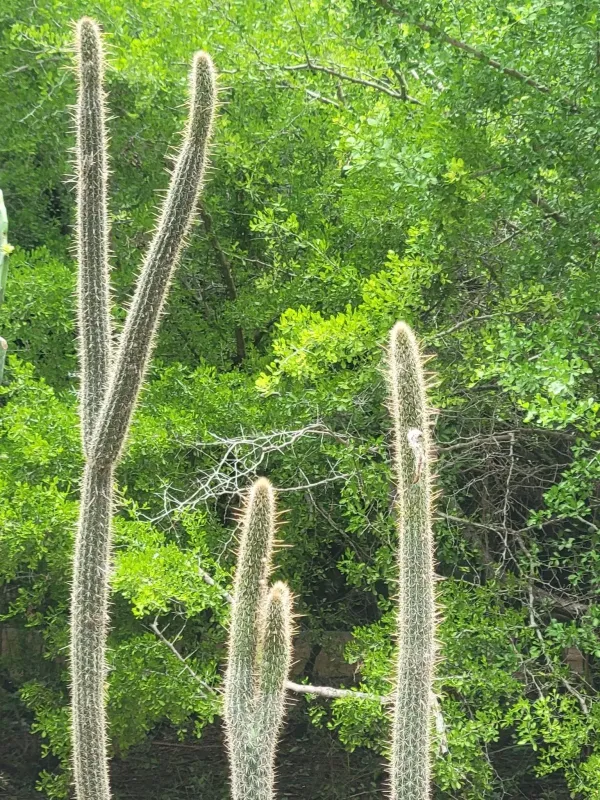
Peniocereus serpentinus is a distinctive species belonging to the Cactaceae family, known for its slender, snake-like stems that can climb or trail. The plant is botanically noted for its large, tuberous roots which function as a storage organ for water and essential nutrients in arid environments.
The plant originates from the dry regions of Mexico, where it thrives in rocky, well-draining soils. Its natural habitat includes tropical deciduous forests and scrublands, where it receives intense sunlight filtered by canopy openings.
For successful cultivation, the plant requires a fast-draining substrate composed primarily of mineral components such as pumice, gravel, and sand. Regular watering is only necessary during the active growth period, with complete dry-out phases between sessions.
Climate requirements involve high temperatures during the day and moderate cooling at night. Frost sensitivity is high, therefore, keeping the plant in a temperature-controlled environment during the winter months is essential for its survival.
In terms of usage, this species is highly regarded in the horticultural industry and among specialized collectors for its striking, nocturnal flowers. Its unique morphology makes it a significant specimen in xeriscaping and botanical garden displays.
Main diseases and pests
Root rot is the primary physiological threat to this species, usually caused by overwatering or using soil that retains moisture for too long.
Mealybugs represent the most common biological pest, often found hiding in the folds of the stem or at the base of the plant.
Red spider mites may infest the plant during periods of low humidity, causing visible scarring on the epidermal tissue of the stems.
Effective management includes maintaining proper air circulation and avoiding overhead irrigation, which can encourage fungal development.
Monitoring the integrity of the tuberous roots during repotting is crucial to ensure early detection of any rot or pest infestation.