
Peniocereus striatus
Peniocereus striatus
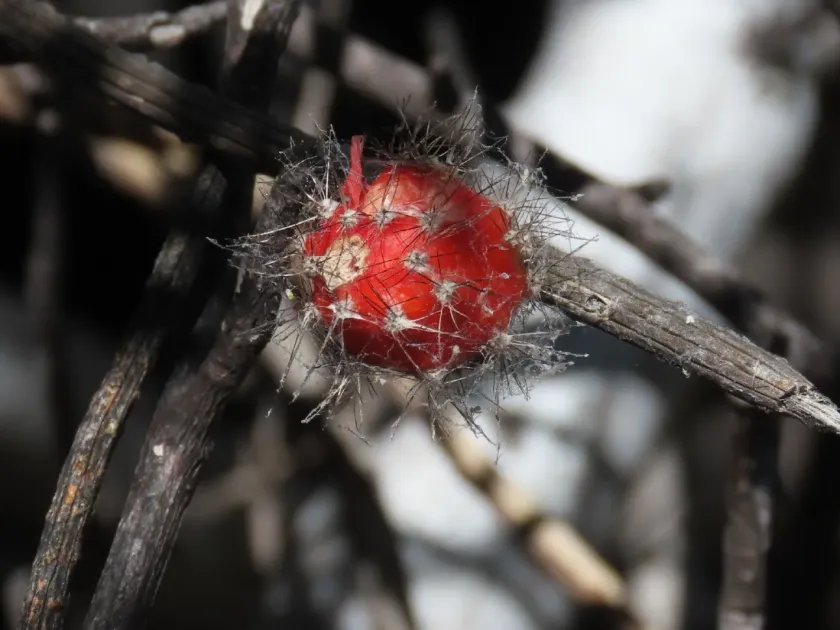
Description
Growing requirements
Peniocereus striatus, commonly referred to as the rat-tail cactus, is a unique member of the Cactaceae family native to the arid desert regions of Mexico and Arizona.
This succulent is characterized by its distinct tuberous roots, which act as a water storage system, allowing the plant to survive in extreme arid environments.
Cultivation requires a highly porous, mineral-based substrate that mimics the rocky, sandy soils of its natural habitat to ensure optimal drainage and prevent root rot.
The plant thrives in full sun but prefers some protection from direct afternoon intensity to avoid epidermal scarring on its thin, whip-like stems.
Growth depends on a consistent temperature cycle, with warm, active growth periods in the summer and a cool, dry dormant period during the winter months.
Main diseases and pests
The most significant threat to Peniocereus striatus is moisture-related fungal infections, particularly root rot caused by improper soil moisture management.
Mealybugs are the most common insect pests, often clustering in the crevices of the plant where they can easily multiply if left untreated.
Spider mites may also appear in conditions with very low humidity and poor ventilation, causing fine webbing and damage to the plant's surface.
Preventive measures include maintaining good airflow around the plant and ensuring that the substrate dries out completely between watering sessions.
If rot is detected on the tuberous roots, surgical removal of the affected area followed by thorough drying is necessary to preserve the life of the specimen.