
Peniocereus johnstonii
Peniocereus johnstonii
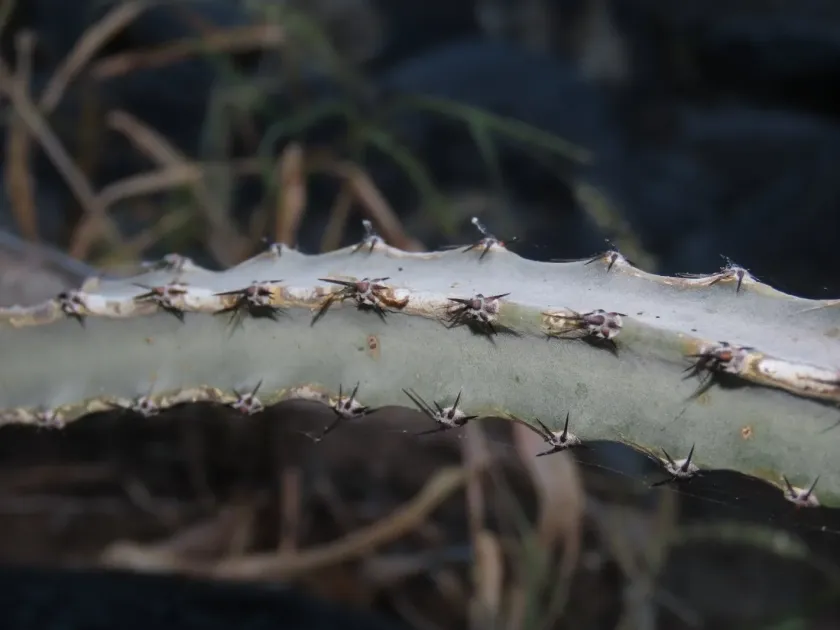
Description
Growing requirements
Peniocereus johnstonii belongs to the Cactaceae family and is native to the Baja California Peninsula in Mexico. It is characterized by its tuberous root system, which allows the plant to survive in extreme arid environments.
The stems of this species are slender and woody at the base, often requiring structural support or nearby shrubs to grow effectively in their natural habitat. Its morphology is highly adapted to conserve moisture during prolonged droughts.
For cultivation, a highly porous, mineral-based soil mix is mandatory to prevent waterlogging. Providing a significant amount of grit and pumice ensures that the roots receive sufficient aeration, preventing rot which is the most common cause of mortality.
Environmental conditions must mimic the desert climate. The plant thrives in bright, filtered light and requires distinct seasonal changes, including a warm, dry growing season and a cool, completely dry winter dormancy period.
The primary use of Peniocereus johnstonii is in botanical conservation and private collections of rare succulent enthusiasts. Given its scarcity, it is rarely seen in general horticulture, making it a prized specimen for specialized growers.
Main diseases and pests
Fungal pathogens are the most significant threat to Peniocereus johnstonii. Excessive moisture combined with low temperatures frequently results in root and crown rot, which can destroy the plant rapidly.
Mealybugs are a common pest that targets the crevices between the stems. These insects sap the plant's vitality and create entry points for secondary infections, requiring prompt manual removal or treatment.
Spider mites are another major threat, especially in greenhouse environments with low humidity. They can cause scarring on the epidermis, which not only ruins the plant's appearance but also reduces its photosynthetic capacity.
Integrated pest management is essential, focusing on airflow and humidity control. Maintaining dry conditions during the winter significantly reduces the susceptibility of the plant to most common greenhouse pests.
Regular inspections are necessary to detect early signs of infestation or rot. If the roots show signs of stress or decay, repotting into fresh, dry substrate and pruning infected areas is the recommended course of action.