
Peniocereus viperinus
Peniocereus viperinus
Description
Growing requirements
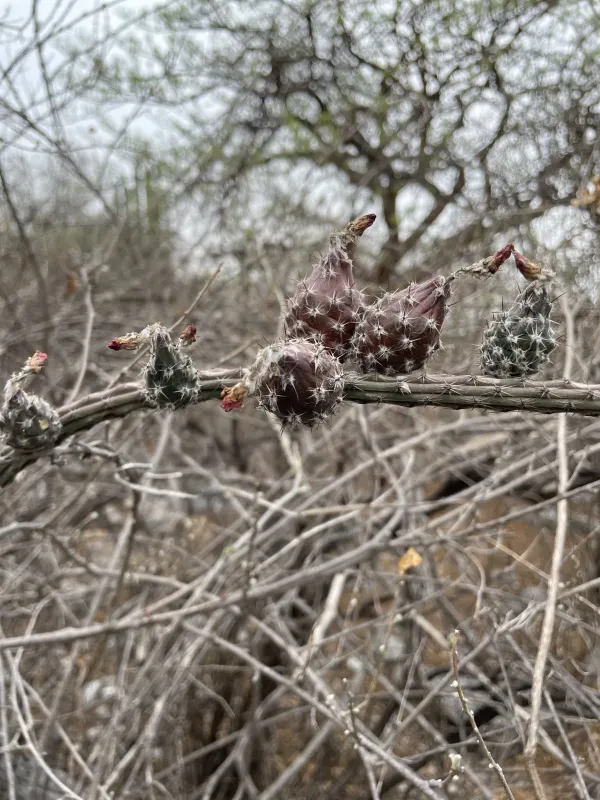
Peniocereus viperinus is a fascinating cactus species within the Cactaceae family, known for its slender, snake-like stems. Originating from the dry tropical forests of Mexico, it has adapted to specific environmental niches that require careful replication in cultivation.
The cultural requirements are centered on excellent drainage. A substrate consisting of mineral components such as volcanic rock, coarse sand, and perlite is essential to ensure the roots do not remain damp, which is critical for the survival of the plant.
Climate needs involve high solar exposure but strictly diffused. In their natural habitat, they often grow in the shade of larger plants, so exposure to direct sun should be managed carefully to avoid scorching the epidermis.
Watering strategies must be strictly seasonal. During the active growing phase, they require enough water to sustain growth, but the substrate must dry out completely between sessions. During dormancy, watering should be reduced to an absolute minimum.
The horticultural use of Peniocereus is primarily decorative and botanical. Due to its growth habit and ephemeral but spectacular night-blooming flowers, it is a highly valued specimen in specialized nurseries and private collections.
Main diseases and pests
The most common threats to the health of this cactus are fungal pathogens, specifically those causing basal and root rot. These occur primarily due to poor drainage or excessive humidity in the growing medium.
Pests such as mealybugs and spider mites are frequent invaders. They tend to settle in the grooves of the stems, making them difficult to detect until the plant starts showing signs of stunted growth or chlorosis.
Effective management includes the use of systemic insecticides and manual removal of pests. Keeping the surrounding area clean and free from decaying organic matter helps prevent the colonization of these insects.
Air circulation is a key factor in threat mitigation. Stagnant air leads to increased humidity on the surface of the plant, which promotes the growth of mold and mildew, particularly in greenhouses.
Regular monitoring of the stem tissue is essential. Any signs of softening or unusual discoloration should be addressed immediately through localized surgery and the application of fungicides to stop further infection.