
Guzmania
Guzmania
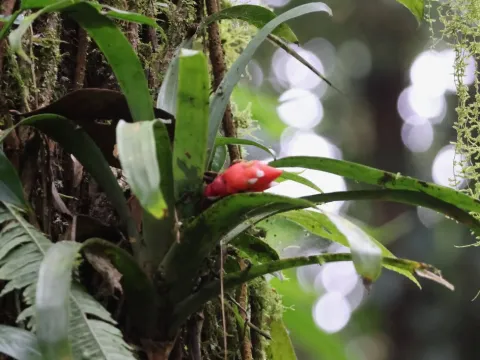
Guzmania is a genus of evergreen, epiphytic flowering plants belonging to the Bromeliad family (Bromeliaceae). Native to the tropical regions of Central and South America, these plants are well-adapted to the humid, shaded environments provided by the understory of dense rainforests.
What the section contains
 Guzmania angustifolia
Guzmania butcheri
Guzmania butcheri
Guzmania angustifolia
Guzmania angustifolia
Guzmania butcheri
Guzmania butcheri
 Guzmania dissitiflora
Guzmania dissitiflora
Guzmania dissitiflora
 Guzmania hybrids
Guzmania hybrids
Guzmania hybrids
 Guzmania minor
Guzmania minor
Guzmania minor
 Guzmania monostachia
Guzmania monostachia
Guzmania monostachia
 Guzmania musaica
Guzmania musaica
Guzmania musaica
 Guzmania sanguinea
Guzmania sanguinea
Guzmania sanguinea
Guzmania
Cultivation requirements for Guzmania focus on maintaining a stable environment with temperatures between 20 and 25 degrees Celsius. It is essential to protect the plants from cold drafts and sudden thermal fluctuations, which can stress the plant and inhibit its blooming cycle.
The substrate must be well-draining and acidic, mimicking the natural humus-rich environment of the rainforest. A recommended mixture includes peat moss, orchid bark, perlite, and charcoal to prevent waterlogging and ensure adequate aeration for the delicate root system.
Watering is a specialized agricultural practice for this species. Water should be poured into the central leaf rosette rather than directly onto the soil. It is vital to use soft, room-temperature water and change it periodically to prevent the accumulation of salts or stagnant odors.
Light requirements are centered on bright, indirect sun. While Guzmania thrives in high light, direct exposure to harsh midday rays can cause chlorophyll degradation and leaf scorch, significantly reducing the plant's ornamental value in greenhouse or indoor production.
The primary pests affecting Guzmania include spider mites, mealybugs, and scale insects. These organisms can quickly multiply in dry indoor environments, necessitating proactive pest management and regular inspection of the leaf axils where they tend to cluster.
Bacterial and fungal rot are the most prevalent diseases, primarily triggered by poor air circulation and excessive moisture in the substrate. To prevent these issues, growers must maintain proper sanitation and ensure that the irrigation cycles allow the soil to dry slightly between watering events.