
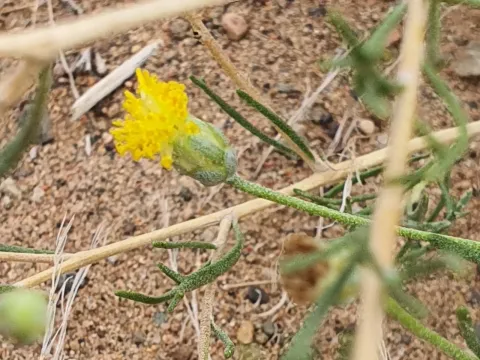
Brachanthemum
Brachanthemum x Chrysanthemum
Brachanthemum is a genus of perennial herbaceous plants or subshrubs belonging to the Asteraceae family. Known for their resilience and compact growth, these plants are highly valued in both landscape gardening and xeriscaping due to their ability to thrive in challenging environments.
What the section contains
Brachanthemum
Originating from the rocky and arid regions of Asia, specifically Mongolia and China, Brachanthemum species have adapted to survive extreme temperature fluctuations and poor soil quality. This evolutionary background makes them an ideal candidate for low-maintenance garden projects.
The cultural requirements are strict regarding drainage. Plants must be grown in sandy, well-aerated soils to prevent root rot. They are highly intolerant of waterlogged conditions and perform best in neutral to slightly alkaline soil environments.
Sunlight is the most critical factor for Brachanthemum. They require full sun exposure for at least six to eight hours a day to maintain their dense, rounded growth habit. Shaded conditions lead to legginess and a drastic reduction in flower production.
Standard care involves minimal intervention. Spring pruning is recommended to remove dead growth from the previous season and to stimulate fresh development. Due to their drought tolerance, established plants rarely require irrigation except during prolonged heatwaves.
The most significant threat to Brachanthemum is root and crown rot, primarily caused by improper soil moisture levels. Heavy, clay-based soils that retain water are detrimental to the plant's long-term health and must be amended before planting.
Aphids are the most frequent insect pest encountered, usually targeting the young, succulent shoot tips during the spring season. Early intervention with soaps or biological control agents is typically sufficient to manage these populations without chemicals.
Powdery mildew may occur if the plants are placed in areas with poor airflow and high humidity. Ensuring proper spacing between individual plants is the most effective cultural method to mitigate this risk and keep the foliage healthy.
Spider mites can occasionally infest plants during extreme drought conditions. Regular monitoring during hot, dry spells allows for quick action, such as increasing humidity or using targeted horticultural oils if an infestation occurs.
Overall, Brachanthemum is a robust and resilient genus. By focusing on adequate drainage and sunlight, growers can largely avoid the need for intensive pest or disease management programs, making it a very sustainable choice for agricultural or ornamental usage.