
Guzmania dissitiflora
Guzmania dissitiflora
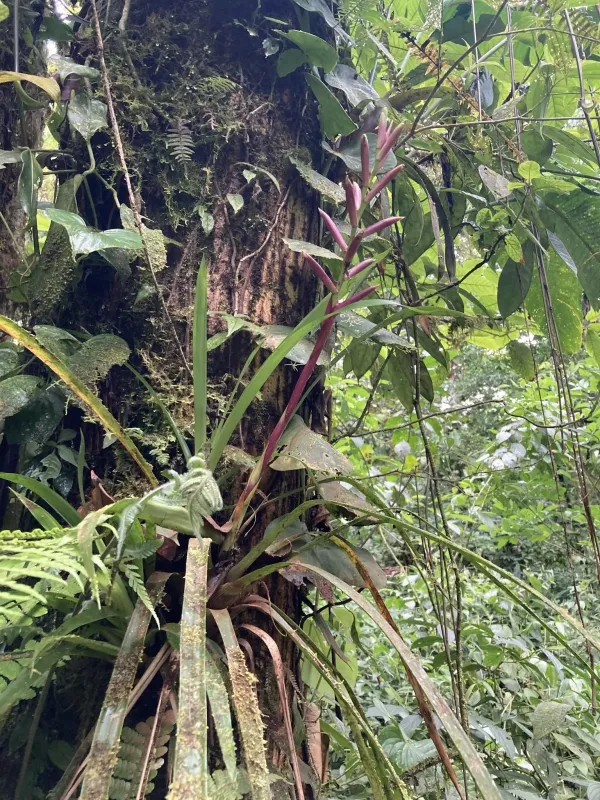
Description
Growing requirements
Guzmania dissitiflora is a perennial epiphytic plant belonging to the Bromeliaceae family. Native to the humid rainforests of Central and South America, this species has adapted to growing in the lower levels of the canopy where ambient humidity is consistently high.
Successful cultivation requires maintaining temperatures between 20 and 25 degrees Celsius. The plant is sensitive to cold stress; temperatures dropping below 16 degrees Celsius can inhibit its metabolic activities and lead to severe physiological decline.
Regarding soil requirements, the plant demands a well-draining, airy substrate. A standard mix for epiphytes consists of pine bark, charcoal, perlite, and sphagnum moss, which allows for oxygen circulation around the roots while maintaining necessary moisture levels.
Light intensity is critical for the healthy development of this species. It prefers bright, indirect sunlight throughout the day. Excessive direct light can cause leaf scorch, while insufficient light leads to the loss of vibrant coloration and structural integrity.
Watering techniques are unique for this genus; water should be applied directly into the central rosette (the tank) of the plant. Using soft, room-temperature water is essential to prevent mineral buildup and ensure that the plant absorbs nutrients effectively.
Main diseases and pests
Mealybugs and scale insects represent the most common pests that affect Guzmania dissitiflora. These pests often colonize the hidden areas within the leaf rosettes, making them difficult to detect and control without regular inspections.
Root and crown rot are frequent issues caused by waterlogging or poor ventilation. If the water inside the rosette becomes stagnant and contaminated, it creates an environment conducive to the rapid spread of fungal pathogens that attack the plant base.
Preventive measures include maintaining good airflow around the foliage and removing any decaying debris trapped in the rosette. Utilizing balanced fertilizers specifically formulated for bromeliads helps maintain plant vigor, making it more resilient to potential infestations.
In case of pest outbreak, systemic insecticides may be applied, ensuring thorough coverage of all leaf surfaces. It is essential to avoid harsh chemicals that might cause phytotoxicity, as the foliage of these plants is relatively delicate.
Effective management requires a proactive strategy that integrates cultural practices—such as proper spacing and hygiene—with chemical controls when necessary. Monitoring the plant's health periodically is the key to preventing severe outbreaks.