
Guzmania hybrids
Guzmania hybrids
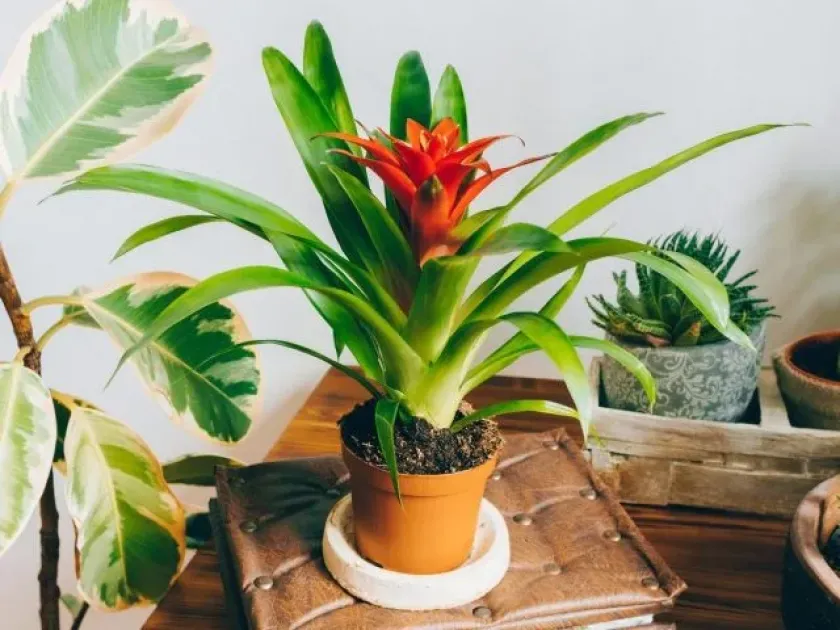
Description
Growing requirements
Guzmania hybrids represent a group of cultivars within the Bromeliaceae family, valued for their long-lasting, vibrant floral bracts. Originating from the tropical rainforests of the Americas, these plants are adapted to high-humidity environments and filtered sunlight.
The optimal temperature for these hybrids is between +20°C and +25°C. They are highly intolerant of cold stress, and exposure to temperatures below +15°C can severely damage the tissue of the rosette, affecting the plant's ability to bloom.
A well-draining, acidic substrate is essential for healthy root development. A professional mix often includes pine bark, peat moss, perlite, and charcoal. Because the plant is often epiphytic in nature, soil density must be low to allow for sufficient gas exchange.
Irrigation management is a critical agronomic factor. Water should be poured into the central tank of the leaf rosette, ensuring that it remains filled with fresh, non-chlorinated water. The roots themselves prefer the substrate to be only slightly damp to prevent asphyxiation.
High relative humidity is necessary for the plant to thrive. In professional nursery settings, humidity levels should be maintained at 60–80%. Regular misting or automated greenhouse irrigation systems help maintain the necessary microclimate for optimal growth.
Main diseases and pests
Common pests affecting Guzmania hybrids include scale insects and mealybugs, which thrive in protected environments. Early detection and treatment with systemic insecticides or horticultural oils are recommended to keep the foliage clean and healthy.
Root and crown rot are the most frequent diseases, typically caused by water stagnation and poor sanitation. Proper greenhouse hygiene and the use of sterile, well-draining media significantly reduce the risk of these fungal infections.
Leaf spot diseases may occur when plants are crowded together or when there is insufficient ventilation. Providing adequate spacing and promoting steady airflow is the primary cultural practice used to prevent the spread of foliar pathogens.
Nutrient deficiencies, particularly involving magnesium or iron, can cause chlorosis. Foliar applications of chelated micronutrients, when performed carefully, can correct these issues and restore the intense color of the leaves.
Viral infections can lead to stunted growth and irregular flowering. While there is no cure, preventing vector transmission by controlling insects is the most effective management strategy to maintain the quality of the crop.