
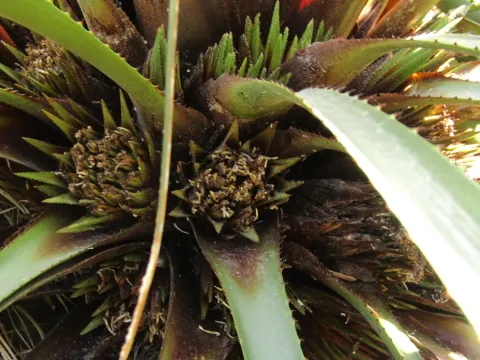
Greigia
Greigia
Greigia is a distinct genus of perennial plants belonging to the Bromeliaceae family. Unlike many other bromeliads that are epiphytic, most Greigia species are terrestrial, developing robust, clustered rosettes characterized by tough, often serrated or spiny leaves.
What the section contains

Greigia
These plants are native to the high-altitude regions of the Andes in South and Central America. Because of their natural habitat, they are well-adapted to cool, misty conditions, making them distinct from the strictly tropical species often found in commercial cultivation.
To cultivate Greigia successfully, one must provide a well-draining, loose soil medium rich in organic matter. Proper aeration of the root zone is crucial to prevent root rot, which is the most significant threat to plant health in container gardening or greenhouse settings.
Greigia thrives in bright, indirect light. Prolonged exposure to intense, direct sunlight can cause leaf scorch and dehydration. Maintaining high humidity levels in the surrounding air is beneficial, though the plant must be protected from stagnant conditions that encourage fungal growth.
The ideal temperature range for this plant is between 15°C and 22°C. While they are resilient compared to many tropical plants, they do not tolerate extreme heat or sudden, freezing temperatures. A stable environment with good air circulation is essential for promoting vigorous growth.
The primary economic use of Greigia is ornamental, particularly in specialized horticulture and botanical gardens. Its dramatic form, architectural foliage, and long-lasting inflorescences make it a highly desirable specimen for collectors and landscape designers in cool-climate regions.
In certain Andean regions, the fruit of Greigia sphacelata is occasionally harvested for local consumption. The berries have a sweet, tropical flavor, but they are not currently a significant commercial crop due to the labor-intensive harvesting process and the plant's sharp foliage.
Propagation is typically performed by separating offsets or pups that grow at the base of the parent rosette. This vegetative propagation ensures that the new plants maintain the genetic characteristics of the parent, which is preferred for maintaining high-quality decorative traits.
Maintenance tasks include the careful pruning of dead or decaying outer leaves to keep the rosette clean and prevent pests from harboring in the debris. Given the serrated leaf margins found on many species, leather gardening gloves are mandatory for any handling or harvesting activities.
Effective management involves monitoring soil moisture and providing occasional low-concentration fertilization during the active growing season. Following these practices ensures that Greigia remains a long-lived and striking addition to any botanical collection.