
Hechtia
Hechtia
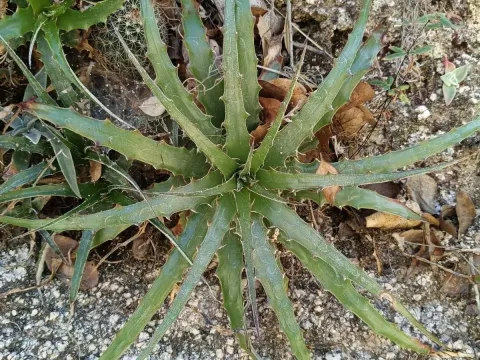
Hechtia is a genus of terrestrial perennial plants belonging to the Bromeliaceae family. Unlike many epiphytic bromeliads, Hechtia species have adapted to dry, terrestrial environments, often inhabiting rocky outcrops and steep slopes.
What the section contains


Hechtia
Originating from regions spanning from Texas to Central America, these plants thrive in full sun exposure. Their evolutionary history in harsh climates has endowed them with high drought tolerance and a preference for well-draining, mineral-rich soils.
Cultivation requires a growing medium consisting of inorganic components such as sand, pumice, or gravel. This promotes root health by ensuring that water does not remain trapped around the base, which is crucial for the longevity of the plant.
The plant demonstrates significant temperature flexibility, though it prefers warm growing seasons. It is known to withstand occasional frost in its native habitats, making it a robust choice for xeriscaping in various climate zones.
In ornamental horticulture, Hechtia is valued for its architectural rosettes of spiny leaves. It is often used in desert-style garden beds or as a specimen plant, providing texture and form that contrasts well with softer greenery.
The primary threat to Hechtia is root rot, typically caused by overwatering or poor drainage. Excess moisture in the soil or trapped within the center of the rosette provides an ideal environment for pathogenic fungi.
Mealybugs are common pests that infiltrate the tight gaps between the succulent leaves. Due to the spines, manual removal is often difficult, making systemic insecticidal treatments a preferred management strategy.
Spider mites can also become a problem, particularly in environments with low airflow and high temperatures. These pests weaken the plant by feeding on the leaf tissues, resulting in discolored patches on the foliage.
To prevent disease outbreaks, it is essential to ensure adequate air circulation around the plants. Avoiding overhead watering is a standard preventive measure to keep the crown of the plant dry and disease-free.
If an infestation or infection is detected, prompt intervention is necessary. Use targeted pesticides and ensure the plant is placed in a well-ventilated area to recover from the stress caused by the pests or fungal spores.