
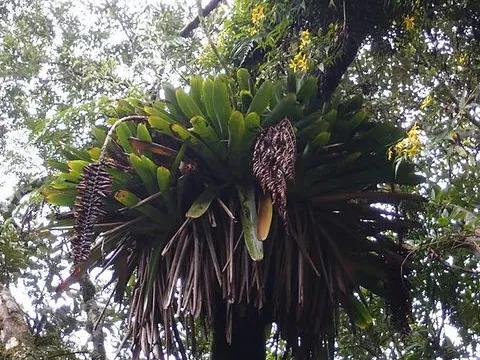
Eduandrea
Eduandrea
Eduandrea (Eduandrea) is a unique crop that occupies a specific niche in modern agriculture. The optimal sowing time is when the soil temperature at the planting depth reaches a steady 12–14 degrees Celsius, ensuring rapid and uniform germination.
What the section contains
Eduandrea
In temperate climates, sowing is typically recommended in late May. Planting too early may result in delayed emergence or seed damage due to lingering spring frosts and cold, damp soil conditions.
The planting depth depends on the soil texture, usually ranging from 2 to 4 centimeters. A firm seed-to-soil contact is essential to ensure moisture uptake, which is the primary driver of successful early-stage development.
Wide-row planting methods are highly recommended to promote adequate airflow and light penetration, reducing the risk of fungal diseases. Selecting high-quality seeds is critical for maintaining optimal plant density.
Post-sowing soil compaction helps to facilitate capillary moisture movement to the seeds. This agrotechnical practice is crucial for shortening the emergence phase and establishing a uniform stand across the field.
This crop has high light requirements, preferring sunny locations protected from strong, cold winds. Insufficient sunlight severely impacts chlorophyll production and reduces overall photosynthetic capacity.
Eduandrea thrives in fertile, well-drained soils with a neutral or slightly acidic pH. Waterlogging is extremely detrimental and should be avoided at all costs to prevent root rot and other moisture-related diseases.
The optimal growing temperature ranges between 20 and 25 degrees Celsius. Extreme heat or sudden cold snaps during the reproductive phase can lead to flower abortion and significantly lower yield potential.
The crop responds well to balanced fertilization, particularly during peak vegetative growth. Proper management of nitrogen, phosphorus, and potassium is key to supporting healthy development without causing excessive foliage growth.
Consistent moisture management is necessary, especially during critical physiological stages. Drip irrigation systems are considered the most effective way to maintain the required water balance during dry summer periods.
The yield of Eduandrea is highly dependent on adhering to recommended agrotechnical practices and regional climate suitability. Advanced cultivation techniques can lead to highly profitable and high-quality results.
Effective soil preparation before planting is the foundation for a successful yield. Providing optimal nutrient availability helps the plants develop a robust root system and reach their full growth potential early on.
Genetics and variety selection play a major role in productivity. Using cultivars adapted to local growing conditions allows for maximizing the harvest weight and ensuring the highest quality of the final product.
The biological development cycle requires strict timing for maintenance tasks. Regular fertilization and effective weed control are directly correlated with higher total yields and better return on investment.
When all requirements are met, productivity remains stable even in challenging years. Monitoring the formation of generative organs provides a clear indicator of the anticipated harvest yield early in the season.
The main threats to this crop include various fungal diseases that thrive in high humidity. Proactive field monitoring and early intervention are essential to preventing massive crop loss.
Pests such as leaf-eating insects and aphids can cause significant damage during the early stages of growth. Implementing a regular scouting program is the most effective way to mitigate pest-related risks.
Weed management is vital, as competing plants drain soil moisture and nutrients, and can harbor pests and diseases. Selective herbicides, when used correctly, provide excellent control and protection.
An integrated pest management strategy, including crop rotation, is essential for reducing the soil infection background. Preventive fungicidal treatments are often necessary in high-risk areas to ensure plant health.
- Powdery mildew and leaf spot infections.
- Root rot associated with poorly drained soils.
- Aphid and spider mite infestations.
- Competition from aggressive broad-leaved weeds.
The harvest time for Eduandrea is determined by visual indicators of physiological maturity, such as fruit color and texture changes. Harvesting at the right time ensures maximum nutritional value and shelf life.
Harvesting should be performed during dry conditions to prevent moisture-related decay. Using gentle handling techniques is important to avoid mechanical injuries, which can serve as entry points for pathogens.
Post-harvest handling is critical and includes cleaning, sorting, and grading. Careful management immediately after harvest preserves the marketability and value of the final agricultural product.
Proper storage is required, involving temperature and humidity control to keep the crop fresh. Good warehouse ventilation is the best defense against mold development during extended storage periods.
Quality checks are performed before the product is cleared for distribution. Ensuring that the crop is free from pests, debris, and defects is necessary to meet commercial standards and achieve optimal market prices.