

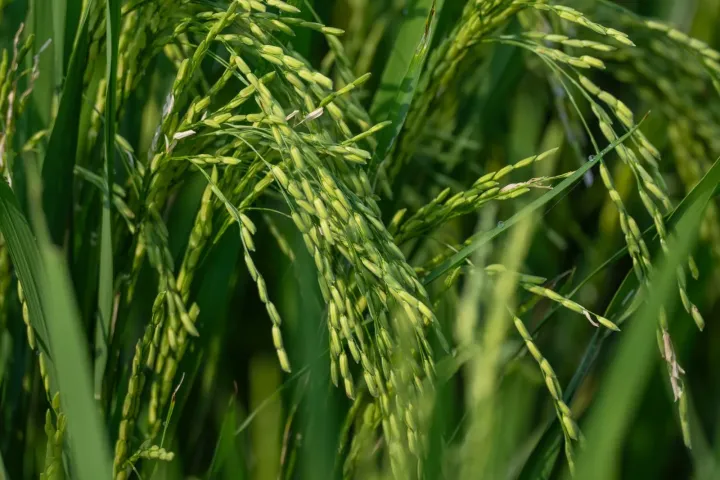
Description
Sowing dates
Sowing time for rice is primarily dictated by temperature conditions. Farmers usually begin planting when soil temperatures reach +12°C to +15°C, ensuring a stable thermal background for germination.
The planting method often involves sowing pre-soaked seeds directly into flooded fields or drilling into dry soil that is subsequently irrigated. Each method has its advantages depending on water availability.
Seeding rates typically range from 180 to 250 kg per hectare. Proper plant density is essential to ensure adequate tillering and to minimize the risk of weed infestation during the early growth stages.
Precision in sowing depth and uniformity is vital for achieving an even stand. A uniform field matures simultaneously, which is critical for efficient mechanical harvesting later in the season.
Early sowing allows the crop to utilize the maximum number of daylight hours, though farmers must remain cautious of late spring cold snaps that can damage young seedlings.
Growing requirements
Rice (Oryza sativa L.) is a vital cereal crop belonging to the Poaceae family. It is distinct due to its ability to thrive in flooded environments, facilitated by specialized tissue known as aerenchyma.
The crop requires a high sum of active temperatures, ideally exceeding 2500°C over the growing season. It is extremely sensitive to low temperatures, with growth effectively ceasing below 10°C.
Soil type plays a major role; heavy clay soils that retain water are preferred. These soils must be managed to maintain a consistent water layer on the surface during the vegetative growth phase.
Fertilizer management is complex in flooded systems. Nitrogen is the most critical nutrient, usually applied in split doses to minimize leaching in the anaerobic environment of the flooded soil.
Solar radiation is a key factor in yield development. Rice requires intense sunlight for photosynthesis, especially during the heading and grain-filling stages of its development cycle.
Yield
Yield potential of rice is high, with modern hybrid and high-yielding varieties capable of producing 8 to 10 tons per hectare under optimal conditions. Intensive management is key to unlocking this potential.
Water management is the most significant factor affecting grain yield. Maintaining the correct water level at critical growth stages, such as stem elongation, is crucial for panicle development.
Effective weed control is mandatory, as weeds compete for essential nitrogen and light. Using integrated pest and weed management strategies is standard practice for professional growers.
The choice of high-quality seeds adapted to the specific local climate and soil conditions provides the baseline for stability and high yield performance year after year.
By balancing plant nutrition with water levels and timely field maintenance, farmers can maximize the number of grains per panicle and overall grain weight.
Main diseases and pests
Rice crops are susceptible to various biotic stressors that can cause severe economic losses. Among the most significant diseases are:
- Rice Blast (Pyricularia oryzae)
- Helminthosporium leaf spot
- Rhizoctonia blight
- Pythium root rot
Pests can significantly damage the grain quality. The Sunn pest (Eurygaster integriceps) is a known concern in certain regions, feeding on developing grains and reducing quality.
An integrated approach to plant protection is recommended, combining seed treatment, crop rotation, and the strategic application of fungicides and insecticides.
Monitoring the field for symptoms is critical. Early detection allows for targeted chemical or biological intervention, preventing the spread of diseases across the field.
Genetic resistance is the most sustainable tool in the fight against pathogens. Breeding programs continuously focus on developing varieties that are resistant to the most prevalent local diseases.
Harvesting
Harvesting should occur when grain moisture reaches between 20% and 25%. This timing is optimal for combining to minimize harvest losses and physical damage to the kernels.
Direct combining is the most common harvesting method, using specialized grain headers to handle the rice crop efficiently without excessive vibration or loss.
If the field has uneven maturity, a two-stage harvest (swathing and then threshing) may be employed, though this increases labor and equipment requirements.
Post-harvest management requires immediate cleaning and drying. Grain must be dried to approximately 14% moisture to prevent spoilage, mold growth, and insect infestation during storage.
Logistics during the harvest period are essential; reducing the time between the combine and the grain dryer ensures the highest possible market quality of the harvested product.
In brief
60
Crop diseases
1
Crop pests
Content graph
Crop diseases · 60
Alternaria leaf spotAscochyta blightBacterial brown stripeBacterial halo blightBacterial leaf streakBacterial wiltBlue moldCercospora leaf spotChickpea root rotCladosporiosisCommon buntCommon scabCurvularia leaf spot of riceFusarium wiltGlume blight of riceHelminthosporium leaf spotKernel smut of riceLance nematodeLeaf sheath necrosisLeaf smutLoose smutMinor rice virus diseasesMonilia blightMyrothecium leaf spotNarrow brown leaf spot of riceNutrient deficiency and toxicityPeronosporosisPhoma leaf spotPhomopsisPhyllosticta leaf spotPink root rotPlant RustPowdery mildewPythium root rotPythium root rotRhizoctonia root rotRice black-streaked dwarfRice bunchy stuntRice gall dwarfRice grain discolorationRice grassy stuntRice hoja blancaRice leaf scaldRice leaf sheath spotRice leaf white stripeRice necrosis mosaicRice root nematodeRice sheath brown rotRice stem rotRice white tip diseaseRing nematodeRoot-knot nematodeSclerotinia rotSheath spot of riceSoft rotSouthern blightStackburn diseaseUdbatta diseaseVerticillium wiltWater mold
Content graph
Crop pests · 1
Content graph
Connections · Rice
Most often together:
Marketplace
Products · 10
All 10
Herbicides, Desiccants 99
Fertilizers 38
Fungicides 22
Insecticides, Acaricides 11
Plant Growth Regulator 10
Biological Products 2
Rodenticides 1


RETACEL EXTRA R 68
АТ Лучебниє заводи Драсловка, Чехія
Plant Growth Regulator
0
0
·
98
No offers
—
Details