
Dotted rice
Oryza punctata Kotschy ex Steud.
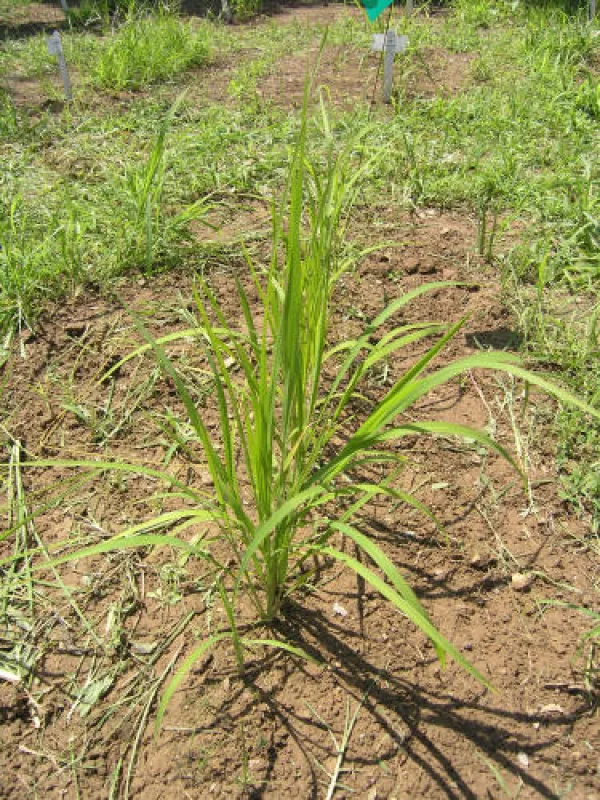
Description
Growing requirements
Dotted rice (Oryza punctata) is a wild species of grass in the family Poaceae. It is primarily found across tropical Africa and Madagascar, where it grows in seasonally flooded grasslands and riverine habitats.
This species is highly adapted to aquatic and semi-aquatic environments. It thrives in soils that remain waterlogged for significant periods during the growing season, showing excellent tolerance to anaerobic soil conditions.
Regarding climatic requirements, Oryza punctata is strictly tropical. It requires warm temperatures consistently above 20°C to initiate germination and vegetative growth, with high humidity levels playing a crucial role in maintaining plant vigor.
The plant demonstrates significant phenotypic plasticity, allowing it to adapt to varying depths of standing water. This adaptability makes it a valuable subject for agronomic research concerning flood-tolerant crop varieties.
In addition to its ecological role, dotted rice serves as a critical genetic resource for agriculture. Its genes are being studied to improve the abiotic stress tolerance of commercial rice varieties, particularly concerning drought and high-salinity scenarios.
Main diseases and pests
Oryza punctata is known for its relatively robust nature against various pathogens; however, it remains susceptible to rice blast (Magnaporthe oryzae) under specific environmental conditions characterized by high humidity.
Common pests affecting this species include the rice stem borer and various grasshoppers, which can cause significant damage to the foliage and developing panicles if the population density remains unchecked.
Root-knot nematodes are another major threat, particularly in sandy or mixed soil textures where water drainage occurs periodically. These pests can significantly reduce the root mass and inhibit nutrient uptake.
Bacterial blight also poses a potential threat in humid tropical conditions. The ability of the plant to recover from these infections is often linked to its genetic diversity, which is highly valued by plant pathologists.
Effective management of these threats in research environments involves maintaining optimal water levels and applying site-specific biological controls to ensure the integrity of the genetic lineages being studied.