
Long-stamen rice
Oryza longistaminata A. Chev. & Roehr.
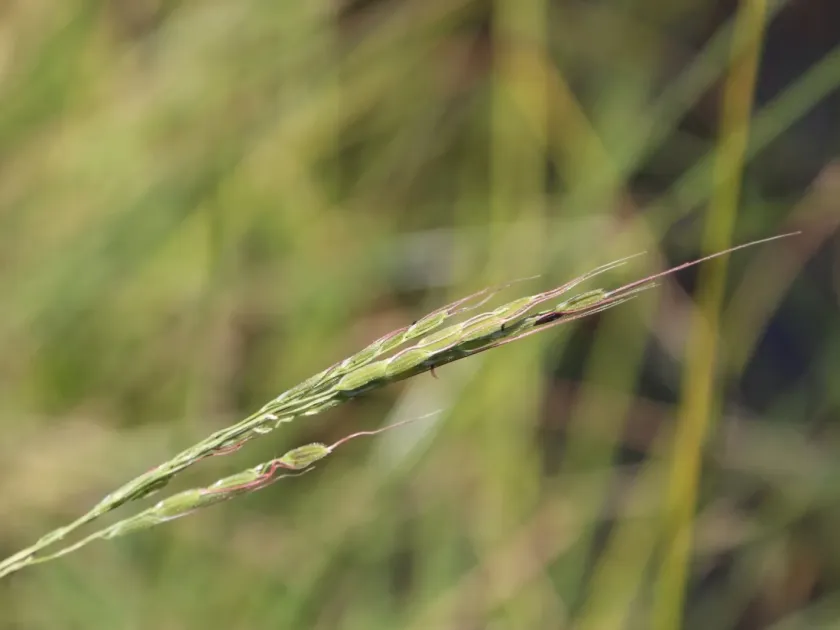
Description
Growing requirements
Long-stamen rice (Oryza longistaminata) is a wild perennial grass species belonging to the Poaceae family. Unlike domesticated rice, it is distinguished by its vigorous rhizomatous growth habit, which allows it to spread rapidly across aquatic habitats.
This species is native to tropical Africa, where it is commonly found in wetlands, river margins, and lake shores. It is exceptionally well-adapted to anaerobic soil conditions, making it an excellent example of a plant that thrives in flooded environments.
The environmental requirements include high ambient temperatures and a constant, abundant water supply. It flourishes in nutrient-rich alluvial soils that support its aggressive rhizome development and long-term perennial growth cycle throughout the tropical zones.
Botanically, it is identified by its long stamens, from which the name is derived. The plant produces sturdy culms capable of surviving deep water levels, and its ecological strategy relies heavily on clonal growth to dominate local plant communities.
Research interest in this plant is primarily focused on its genetic resilience. Scientists study its genes to understand how to improve modern rice varieties, particularly in terms of tolerance to waterlogging and resistance to severe environmental stressors.
Main diseases and pests
Habitat loss due to land development and the conversion of wetlands into agricultural fields remains the most significant threat to the survival of natural populations of this perennial wild grass species.
Common phytopathological threats include various fungal infections such as leaf blight and rust diseases. These pathogens often thrive in the humid, warm environments where this species is naturally found, potentially leading to localized damage.
Insect pests, including stem borers and various species of leafhoppers, can cause physical damage to the plant structures. Intense pest outbreaks may weaken the plant's ability to maintain its dense rhizomatous mats during the peak growing season.
Invasive non-native plants that compete for light and space in wetlands can pose a risk by displacing native stands of Oryza longistaminata, especially in disturbed ecosystems where native vegetation balance is compromised.
Overgrazing by livestock in regions where this grass is used as fodder can also inhibit its ability to recover and spread effectively, as it relies on its aerial and subterranean growth for long-term population stability.