
Nerica
Oryza glaberrima Steud. x Oryza sativa L.
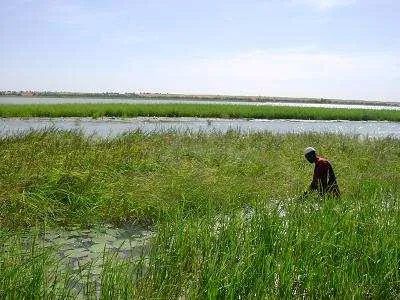
Description
Sowing dates
Sowing schedules for rice hybrids derived from crosses between African (Oryza glaberrima) and Asian (Oryza sativa) species are strictly tied to soil temperature requirements. Sowing is recommended once the upper soil layer reaches a consistent temperature of 15-18 degrees Celsius.
The optimal sowing window typically falls within a period of steady warming, which minimizes the risk of late-season frosts. To ensure uniform emergence, it is essential to maintain a seeding depth of 2 to 3 centimeters, depending on the soil's moisture content.
A crucial factor at planting is the preparation of the seedbed, which must provide consistent contact between the seed and soil moisture. In intensive farming systems, pre-soaking seeds is often employed to accelerate germination and uniformity.
Planting density is calculated based on the specific hybrid's tillering potential to prevent overcrowding and the subsequent development of fungal diseases. Generally, seeding rates range from 100 to 150 kilograms per hectare, depending on the chosen planting method.
Adherence to agronomic timing allows the hybrid to effectively utilize its photosynthetic potential during the spring and summer periods. This ensures optimal tiller formation and the development of high-quality panicles.
Growing requirements
As a product of hybridization, this crop has specific requirements, combining the resilience of both parent species. It thrives in well-aerated but moisture-retentive soils with a neutral pH level.
Solar radiation is a critical factor, as high light intensity promotes biomass accumulation and optimal grain development. The crop is highly sensitive to water stress during critical growth phases, particularly during the booting stage.
The optimal temperature range for growth and vegetative development lies between 22 and 30 degrees Celsius. Temperatures below 15 degrees significantly slow metabolic processes, which can lead to delayed maturation and reduced yields.
Soil nutrition must be balanced, with an emphasis on nitrogen fertilization during early vegetative stages and potassium-phosphorus applications during the grain-filling period. The hybrid shows high adaptability to various soil types, including alluvial and meadow soils.
In cultivation regions, it is necessary to provide effective drainage to prevent root system suffocation during periods of excessive rainfall. The crop responds well to the application of micronutrients such as zinc and manganese.
Yield
The yield of Nerica is characterized by stability due to the pronounced heterosis effect, which manifests in vigorous growth and resistance to environmental stressors. With proper management, productivity levels can exceed those of pure-line rice varieties.
Actual marketable grain output depends on successful pollination, which can sometimes be complex in hybrids due to specific flowering biology. To maximize grain harvest, maintaining optimal moisture levels throughout the life cycle is paramount.
Timely weed management significantly impacts yield, as weeds compete aggressively for nutrients and sunlight. Keeping fields free from weeds can increase harvest yields by an average of 15-20 percent.
The structure of the yield is determined by the number of productive tillers per unit area and the thousand-grain weight. Hybrid plants typically form larger panicles with a higher number of filled grains compared to traditional varieties.
To achieve high yield targets, it is important to prevent lodging, which can occur with excessive nitrogen application. Strengthening the stem is achieved by choosing the correct plant population density.
Main diseases and pests
Primary biological threats to the crop include fungal diseases such as blast (Pyricularia oryzae), which affects leaves and panicles. High humidity and high plant density are major contributors to disease outbreaks.
Pests, particularly rice water weevils and various types of weevils, can cause substantial damage during the early seedling stages. Preventive seed treatment with insecticides is often implemented as a standard protective measure.
Viral diseases transmitted by insect vectors pose a hidden threat, capable of significantly reducing pollen fertility. Monitoring pest populations allows for timely protective interventions.
Weeds, especially millet-like species, are the most dangerous competitors, as they are difficult to separate during mechanical grain sorting. The use of selective herbicides is an essential component of the crop protection strategy.
Disease prevention includes strict adherence to crop rotation and the use of certified seed material that has undergone phytosanitary control. It is also important to maintain an optimal water regime, preventing stagnant water where pathogens proliferate.
Harvesting
Harvesting is performed when the grain reaches full maturity, typically when grain moisture content drops to 18-20 percent, allowing for subsequent drying. Harvesting too early leads to losses due to immaturity, while late harvesting increases the risk of grain shattering.
The primary method of harvesting is direct combining using specialized rice threshing equipment. Adjusting the threshing drum gap is crucial to prevent grain breakage and ensure a clean sample.
After harvest, the grain requires immediate post-harvest processing to bring moisture levels down to standard storage limits (13-14 percent). Inadequate drying leads to rapid spoilage and mold development during storage.
Cleaning the grain from impurities and husks is performed using зерноочистительные machines (grain cleaners), which remove light fractions and plant debris. High-quality cleaning directly impacts market value and product shelf life.
To ensure high product quality, it is recommended to harvest during dry weather, avoiding moisture exposure to the harvested mass. Organizing logistics during the harvest phase helps minimize losses caused by leaving the crop in the field too long.