Description
Sowing dates
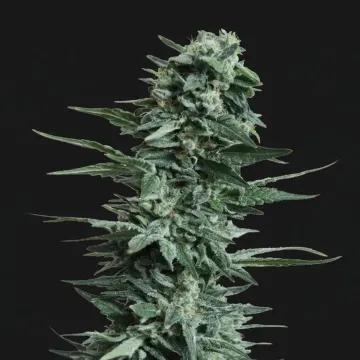
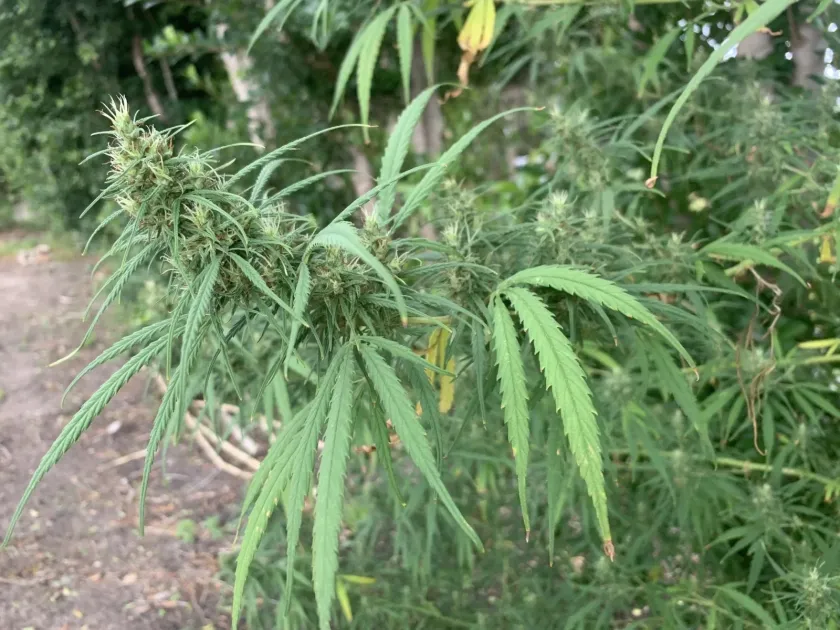
Hemp (Cannabis sativa L.) is a high-value multipurpose crop belonging to the Cannabaceae family, widely grown for its fibre, seeds, and oil.
Sowing begins when the soil temperature at the planting depth consistently reaches 8–10°C, ensuring rapid and uniform germination of the seeds.
Planting density is adjusted based on the specific goal, with higher densities typically required for fibre production to promote straight stems.
Preparation of the seedbed is essential, requiring a fine and firm structure to provide optimal conditions for the delicate young seedlings to emerge.
Precise depth control during drilling is crucial, as seeds sown too deeply may exhaust their energy before reaching the surface of the soil.
Growing requirements
Hemp thrives in fertile, well-drained loamy soils with high organic matter content, performing poorly in waterlogged or acidic conditions.
The plant is highly photoperiod-sensitive, requiring sufficient sunlight to achieve its full potential for biomass and seed yield development.
Water management is critical during the initial growing stages, as hemp is sensitive to drought while establishing its extensive root system.
Effective weed control during the first month is vital, as hemp seedlings develop slowly and can be easily outcompeted by aggressive weed species.
Optimal climatic conditions include moderate temperatures and consistent rainfall throughout the growing season to support continuous development.
Main diseases and pests
Hemp crops can be affected by various fungal diseases such as Alternaria, Anthracnose, Verticillium wilt, and Helminthosporium blight.
Rhizoctonia and Sclerotinia can lead to significant crop loss, particularly under conditions of high humidity and poor soil ventilation.
Pink rot and Ashy rot are also notable threats that require careful monitoring of crop health and field hygiene throughout the growing cycle.
Insect pests including the cabbage white butterfly, moths, gall midges, and the European corn borer can inflict substantial damage to stems and leaves.
Hemp flea beetles and jumping plant lice are common early-season pests that require scouting and integrated pest management strategies.
Harvesting
Harvesting for fibre should ideally occur during the early flowering stage to achieve the best balance between fibre quality and quantity.
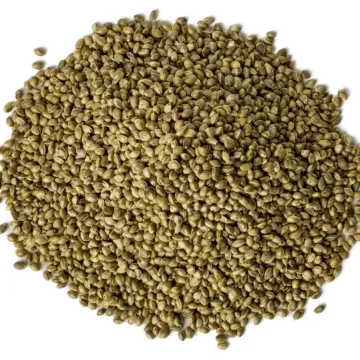
When the target is seed production, harvest is delayed until the seeds reach maturity, marked by a change in colour and reduced moisture content.
Mechanical harvesting solutions are used to cut the hemp stalks, which are then left in the field to undergo the retting process for fibre extraction.
Modern equipment allows for the efficient separation of seeds from the stalks, streamlining the harvest process for multi-product operations.
Post-harvest handling, including proper drying of seeds, is essential to maintain seed viability and prevent the development of mould during storage.
In brief
40
Crop diseases
24
Crop pests
Content graph
Crop diseases · 40
Alternaria leaf spotAnthracnoseAnthracnoseArabis mosaicAscochyta blightAsteridiella perseaeBacterial wiltCercospora leaf spotCharcoal rotCladosporiosisCrown gallCucumber mosaicCurvularia leaf spotDidymella blightEpicoccum blightFusarium wiltFusarium wiltGray moldHelminthosporium leaf spotHemp cercospora leaf spotHemp melanosporosisHemp mosaicHemp streakLeptosphaeria leaf spotLongidorusOphiobolus stem cankerPeronosporosisPhoma leaf spotPhomopsisPhyllachora leaf spotPink rotPlant RustPowdery mildewRhizoctonia root rotRhytidhysteron rufulumRoot-knot nematodeSclerotinia rotSeptoriaSouthern blightVerticillium wilt
Content graph
Crop pests · 24
Alfalfa seed chalcidAphidApple blossom weevilBean aphidBeet midgeBeet webwormBeet weevilCereal leaf beetleChloropid fliesCotton bollwormDiamondback mothDock weevilEuropean corn borerGall midgesGrey beet weevilGround beetle (Zabrus tenebrioides)Hemp flea beetleLarge whiteOriental fruit mothPea aphidPollen beetlePyralid mothsSunn pestYellow cereal fly
Content graph
Connections · Hemp
Most often together:
Breeders
1 contact
Marketplace
Products · 2