
Description
Symptoms
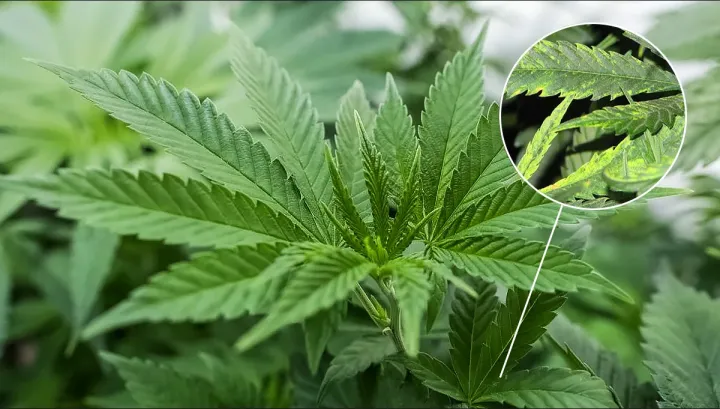
The primary symptom is a mosaic pattern on the leaves, characterized by alternating light-green and dark-green patches. Over time, chlorotic areas may turn yellow or whitish, signaling the progressive destruction of chloroplasts.
Infected leaves often become deformed, crinkled, or wrinkled. Hemp plants frequently exhibit stunted growth, shortened internodes, and a general loss of vigor compared to healthy specimens in the field.
In severe cases, necrosis of leaf tissue may occur. Some strains of the virus may manifest as ring-spot patterns on the foliage, which serves as a diagnostic marker for specific viral populations.
Upper leaves often show lighter chlorosis, indicating the systemic nature of the virus spreading through the vascular system. Visually, the field appears patchy with clusters of affected plants standing out.
Generative organs are less frequently affected; however, early-stage infection can result in poorly developed inflorescences and reduced pollen fertility, ultimately impacting fiber and seed quality.
Pathogen
The causative agent of hemp mosaic is the Hemp mosaic virus, which belongs to a group of pathogens affecting various industrial and agricultural crops. This virus acts as an obligate parasite, persisting within the living tissues of the host plants.
The pathogen resides in the plant sap and spreads primarily through mechanical transmission or via insect vectors. Perennial weeds surrounding the hemp fields often serve as natural reservoirs for the virus during the off-season.
The pathogenesis involves disrupting photosynthetic processes by degrading chlorophyll content. As the viral particles multiply within the mesophyll cells, the infection spreads systematically throughout all organs of the hemp plant.
External manifestations are the direct result of altered internal metabolism. Stunted growth and developmental delays occur as the plant diverts its vital resources to cope with the viral invasion.
This is categorized as a systemic viral infection that cannot be cured by fungicides. Consequently, agronomic management strategies must focus entirely on preventative measures and vector control.
Conditions for development
The development of hemp mosaic is favored by environmental conditions that support the proliferation of insect vectors, particularly aphids. High pest activity during the active growth phase often triggers localized outbreaks.
Warm and humid weather accelerates both vector activity and viral replication. The incubation period is temperature-dependent: optimal warmth allows the disease to spread through plant tissues more rapidly.
Transmission occurs through any mechanical contact that compromises the plant epidermis. Field operations such as weeding or mechanical cultivation can inadvertently spread the virus from diseased plants to healthy ones.
Stress factors, including sudden temperature fluctuations or drought, can weaken the plant's natural immunity, making the crop significantly more susceptible to infection when exposed to vectors.
The presence of wild reservoir weeds near the fields is a critical risk factor. Failure to eliminate these weeds creates a continuous source of infection pressure throughout the growing season.
Why it matters
The primary damage lies in the significant reduction of industrial hemp productivity. Because the virus hampers photosynthesis, biomass accumulation is severely restricted, leading to lower fiber yields.
Fiber quality is degraded as the synthesis of cellulose is disrupted, making the stems brittle and less flexible. This renders the material unsuitable for high-end industrial textile processing.
Seed production is negatively affected, with infected plants producing seeds of lower viability and reduced germination rates. This results in uneven crop establishment in subsequent planting seasons.
Economic losses arise from both direct yield reduction and the increased costs associated with implementing emergency phytosanitary measures. In severe epidemics, a large portion of the crop may become non-marketable.
Furthermore, viral infections increase the plant's susceptibility to secondary pathogens, such as fungal rots, which thrive on compromised tissue, further reducing the overall crop value.
Protection
Since there are no curative treatments for viral diseases, management relies exclusively on prevention. The most important strategy is controlling the population of insect vectors using appropriate insecticides.
Regular weeding within and around the fields is mandatory to eliminate alternative hosts for the virus. Keeping fields free of weeds significantly reduces the infectious pressure on the hemp crop.
Using only high-quality, certified, and virus-free seed material is critical. Planting infected seeds can introduce the pathogen into the field at the very beginning of the season.
Ongoing phytosanitary monitoring is necessary to identify and remove infected plants promptly. Infected specimens should be destroyed off-site to prevent the spread of the virus to healthy parts of the field.
Proper crop rotation helps break the cycle of infection by preventing the accumulation of the virus and its vectors in the soil and crop debris over successive years.
Pathogens and affected parts
Affects crops · 1
Discussion
No discussions yet — be the first.