
Description
Symptoms
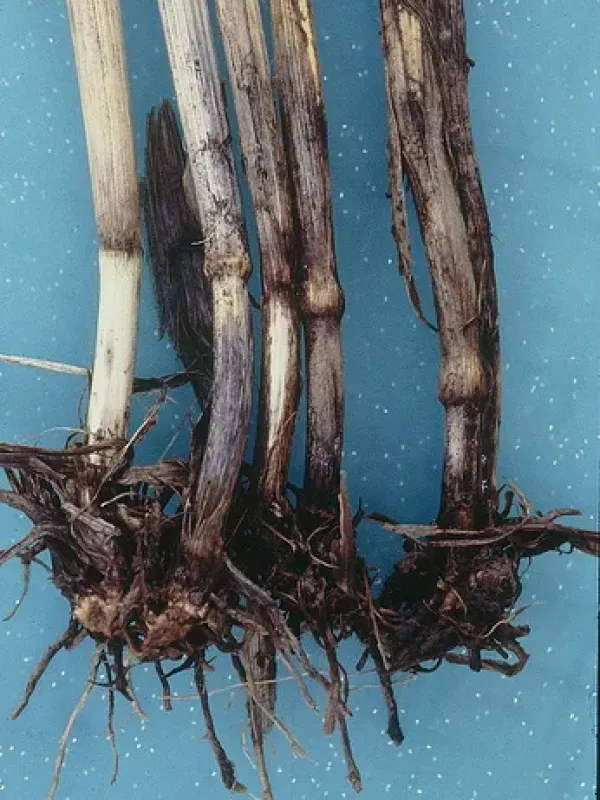
The primary symptom is the appearance of dark, discolored lesions at the base of the stem, often near the soil line.
These lesions gradually expand and deepen, forming sunken cankers that may eventually girdle the entire stem.
As the disease progresses, the stem becomes structurally weak, causing the plant to lodge or break easily under mild physical pressure.
Foliage symptoms include chlorosis (yellowing), wilting of leaves, and premature senescence due to the plant's inability to receive nutrients from the root system.
Close inspection of the necrotic tissue often reveals minute, black, pimple-like structures representing the fungus's reproductive perithecia.
Pathogen
Ophiobolus stem canker is caused by several species of fungi within the genus Ophiobolus (e.g., Ophiobolus cannabinus), which are known to be significant plant pathogens.
These fungi are soil-borne, surviving as mycelium or reproductive structures on crop debris left in the field after harvest.
The pathogen initiates infection by penetrating the lower epidermis of the stem, often through wounds caused by mechanical stress, pests, or agricultural equipment.
Once inside, the fungal hyphae colonize the vascular tissues, effectively blocking the transport of water and essential nutrients throughout the stem.
The lifecycle typically culminates in the production of fruiting bodies called perithecia, which release spores that can be spread by wind or water splash to new host plants.
Conditions for development
Ophiobolus stem canker thrives in cool to moderate temperatures combined with high soil moisture levels, which favor spore germination.
Dense planting patterns reduce air circulation, maintaining high humidity around the stem base and creating an environment perfect for fungal colonization.
Fields with poor drainage and high soil compaction are more susceptible, as these conditions stress the plants and hinder their natural defense mechanisms.
Frequent rainfall during the early stages of plant development can facilitate the dispersal of spores from the soil onto the stems of susceptible crops.
Continuous monoculture of susceptible crops, such as industrial hemp, allows the fungal population in the soil to build up to dangerous levels over time.
Why it matters
The economic impact of the disease is severe, as it reduces biomass production and negatively affects the quality of the harvest.
In hemp cultivation, the infection ruins the stem quality, resulting in brittle fibers that are unsuitable for high-grade textile production.
Severe infestations lead to plant death and lodging, which makes mechanized harvesting difficult and causes significant field losses.
The infection limits the plant's ability to reach its full growth potential, leading to lower yields and reduced profitability for the producer.
Once established in a field, the pathogen remains a persistent threat, necessitating costly intervention or long-term management strategies.
Protection
The most effective strategy is the implementation of a diverse crop rotation cycle, avoiding susceptible hosts for at least three to four years.
Sanitation practices, such as removing or deeply plowing under infested stubble, help destroy the pathogen's primary overwintering sites.
Promoting good soil health and proper drainage prevents the accumulation of excess moisture, making the environment less conducive to fungal growth.
Seed treatment with professional-grade fungicides provides a protective barrier for emerging seedlings, reducing the risk of early-season infection.
Careful management of plant density and weed control ensures adequate ventilation, which helps keep the stem environment dry and resistant to infections.
Pathogens and affected parts
Affects crops · 1
Discussion
No discussions yet — be the first.