
Industrial hemp
Cannabis sativa ssp. sativa x Cannabis sativa subsp. indica
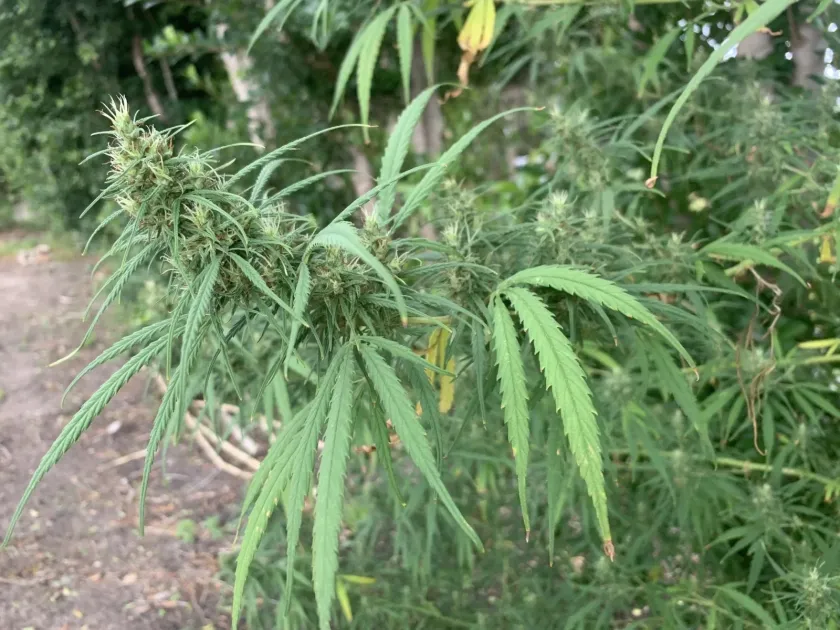
Description
Sowing dates
Industrial hemp is an annual crop belonging to the Cannabaceae family. It is cultivated for its fibers, seeds, and oils, requiring specific conditions for optimal growth.
Sowing typically begins in late spring, once soil temperatures at a depth of 3–4 cm reach at least 8–10°C. Early sowing is preferred to ensure proper seedling establishment.
Precision planting is essential; for fiber production, a high plant density is used to encourage straight, thin stalks with minimal side branching.
For seed production, lower densities are employed to allow plants enough space to develop large, productive inflorescences.
Proper soil preparation is crucial, as the crop requires a firm, moist seedbed to ensure uniform germination across the field.
Growing requirements
The crop thrives in fertile, well-drained loamy soils with a neutral pH. It is particularly sensitive to waterlogged conditions, which can inhibit root development.
Hemp has high water requirements during the rapid growth phase of the stem, making regular rainfall or irrigation necessary for maximum yields.
It is a photoperiod-sensitive crop, requiring long daylight hours to reach full maturity. Temperature stability is important during the initial stages of vegetative growth.
Nutrient management is key, with significant demand for nitrogen, phosphorus, and potassium. Soil fertility should be assessed prior to planting.
Good agricultural practices include regular monitoring of soil structure to prevent compaction, which can negatively impact the final harvest volume.
Yield
Yields of dry stalks typically range from 10 to 15 tonnes per hectare, depending on local environmental conditions and the specific variety used.
The fiber content generally represents about 20–25% of the total biomass, making it a highly efficient source of raw material for industries.
Seed yields vary between 0.8 and 1.5 tonnes per hectare under optimal conditions, providing a valuable secondary revenue stream for growers.
Weed management is vital in the early stages, as hemp is a poor competitor against aggressive weeds until the canopy closes.
Ongoing genetic improvements in hemp varieties continue to increase resilience and productivity across diverse agricultural climates.
Main diseases and pests
Common diseases include Fusarium wilt, gray mold, and various bacterial blights, which thrive in humid conditions and can affect stalk quality.
Pests such as hemp flea beetles, stem borers, and various lepidopteran larvae pose risks to the crop by damaging leaves and structural integrity.
Integrated pest management strategies involve crop rotation, the use of certified disease-free seeds, and timely monitoring of pest populations.
Maintaining a healthy crop through adequate nutrition can also help the plant naturally resist certain pathogenic pressures.
Quick action against identified threats is necessary to maintain the health of the field and ensure a high-quality harvest.
Harvesting
For fiber, harvesting occurs at the early flowering stage when the stalk fiber is of the highest quality and before the seeds fully mature.
Seed harvesting is performed when the plants reach full maturity, indicated by the hardening and darkening of the seeds.
Stalk processing usually involves mowing and field retting, a natural process that prepares the fibers for extraction from the woody core.
Modern harvesting machinery must be calibrated to ensure efficiency and reduce the physical damage to seeds or fiber bundles.
Post-harvest handling includes drying the material to prevent spoilage and preparing it for transport to processing facilities.