
Stem and bulb nematode
Ditylenchus gigas
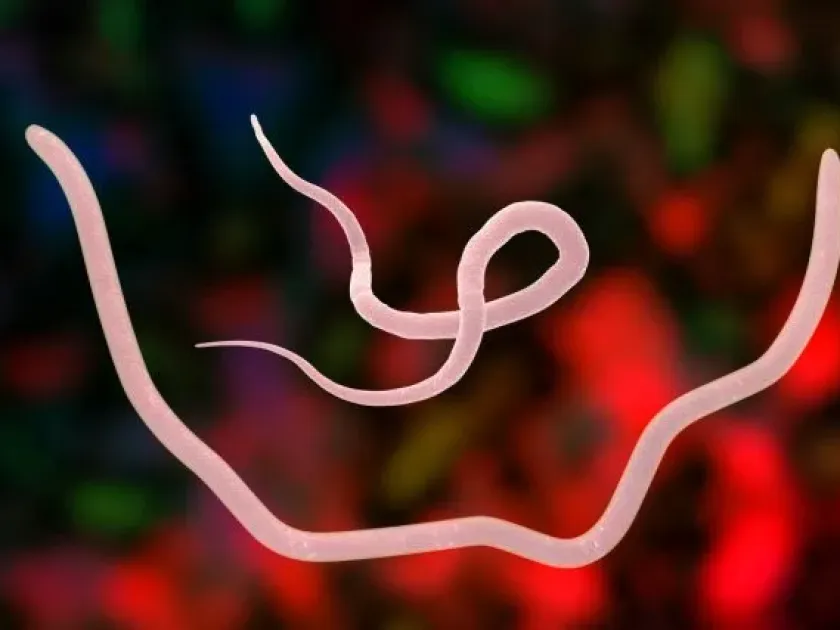
Description
How to identify
The stem and bulb nematode (Ditylenchus gigas) is a microscopic worm belonging to the Anguinidae family. It is a highly specialized endoparasite that targets various bulbous crops, causing severe agricultural damage globally.
Measuring only about 1 to 1.5 mm in length, these nematodes possess a slender, transparent body, making them invisible to the naked eye. They rely on thin films of water to move through the soil and plant tissues.
The life cycle of Ditylenchus gigas is rapid and highly dependent on environmental moisture. Under optimal conditions, the cycle from egg to mature adult can be completed in just 20 to 30 days.
One of the most concerning biological traits of this nematode is its ability to enter a state of anhydrobiosis. In dry soil or plant tissue, they can survive for years, waiting for favorable moisture to reactivate.
Spread occurs primarily through infected planting stocks (sets), contaminated soil clinging to tools, or via runoff water after heavy rainfall, allowing the parasite to colonize new areas efficiently.
What it damages
The nematode primarily attacks members of the Alliaceae family, including onions, garlic, shallots, and leeks. In some cases, it may also infect ornamental bulbs, making it a significant threat to home gardens.
Damage begins shortly after infestation. The nematodes enter the young plant through the basal plate or leaf stomata, injecting enzymes that break down cell walls to facilitate feeding.
This feeding mechanism causes cellular disruption, leading to stunted plant growth, twisted foliage, and eventual necrosis. The internal structure of the bulb becomes distorted and loses its integrity.
As the nematode population multiplies inside the bulb, it causes the basal plate to detach and rot. This destroys the root system, preventing the plant from absorbing nutrients and water properly.
In addition to direct feeding damage, the openings created by nematodes serve as entry points for secondary pathogens like bacteria and fungi, accelerating the decomposition of the bulb.
Signs of infestation
Visible symptoms in the field include irregular stands and stunted growth. Young plants often exhibit thickened, twisted, and chlorotic leaves, which is a classic diagnostic sign of an infestation.
A cross-section of an infected bulb reveals a characteristic spongy or crumbly texture. The affected scales turn grey or brown and lose their firm, crisp quality, becoming watery and soft.
In mature plants, the most definitive sign is the cracking or complete separation of the basal plate. Often, the roots associated with the infected portion of the basal plate are absent or necrotic.
During storage, infested bulbs lose weight rapidly and begin to emit an unpleasant odor. They may appear shriveled or exhibit a grayish, mealy substance between the layers of the bulb scales.
- Twisted and yellowed onion foliage.
- Spongy and decayed internal bulb tissues.
- Basal plate disintegration or detachment.
- Stunted growth of the entire plant.
- Rapid rot during winter storage.
Control measures
Effective management relies on a strict crop rotation policy. Avoiding host crops on infested fields for at least 4 years is essential to reduce the nematode population naturally.
Always use certified, nematode-free seeds or sets. Inspecting the planting material for any signs of decay is a vital first step in preventing the introduction of the pest into clean soil.
Sanitation is key to managing Ditylenchus gigas. Removing and destroying all crop debris after harvest prevents the nematode from surviving in the soil until the next growing season.
Cultivating antagonistic crops can help suppress nematode populations. Plants like marigolds or mustard can be used as green manure to improve soil health and reduce pest pressure in the upper soil layers.
Managing soil moisture through good drainage and avoiding excessive irrigation is crucial, as the nematode needs moisture to actively search for hosts and propagate throughout the crop row.
Taxonomy
- Latin name
- Ditylenchus gigas
- Order
- Nematodes
- Family
- Anguinidae
- EPPO code
- DITYGI
Discussion
No discussions yet — be the first.