
Wheat nematode
Anguina funesta
Description
How to identify
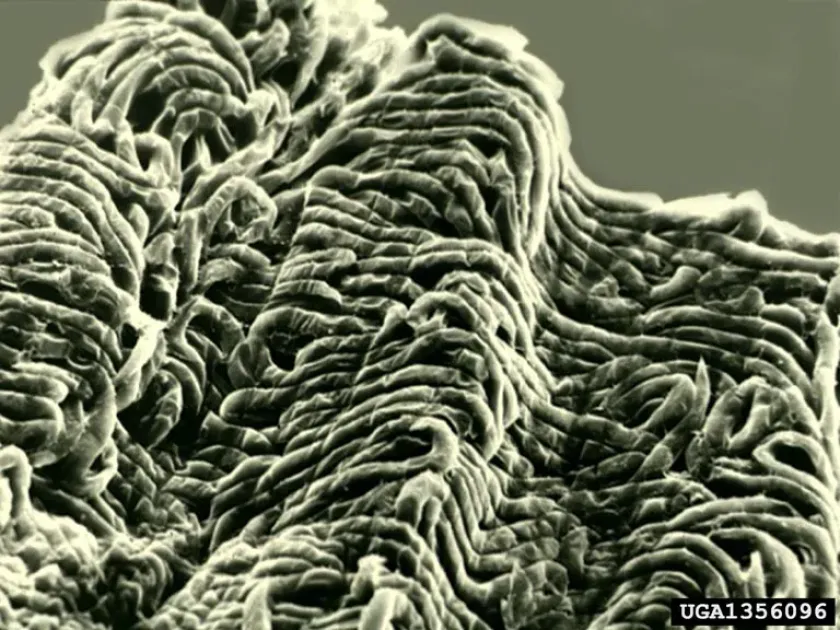
The wheat nematode (Anguina funesta) is a microscopic eelworm belonging to the family Anguinidae. It is a specialized parasite that primarily attacks the reproductive organs of cereal crops.
The life cycle involves the transformation of normal plant tissues into dark, hard structures known as galls. These galls replace the seeds within the wheat heads, serving as protective shells for the nematodes.
Inside the galls, the nematodes can remain in a state of suspended animation (anabiosis) for several years, making them highly resilient to environmental stress and desiccation.
When exposed to moist conditions, larvae emerge from the galls in the soil and migrate to the young wheat seedlings, penetrating the plant tissue to begin their development cycle.
The morphological classification of Anguina funesta as a plant-parasitic nematode underscores the importance of monitoring grain quality to prevent its wide-scale dispersal.
What it damages
The primary host for this parasite is common wheat (Triticum aestivum), although it can affect other cereals and certain wild grasses that harbor the population between cropping seasons.
The damage caused by this pest is significant, as it results in the replacement of healthy grains with nematode galls. This directly reduces yield quantity and compromises the viability of the seed stock.
The wheat nematode acts as a vector for certain bacterial pathogens. The synergy between the nematode infection and associated bacteria causes the destruction of the wheat inflorescence.
Infected plants exhibit reduced growth, twisted leaves, and general lack of vigor, which can negatively impact the overall crop development and uniformity in the field.
Seed lots containing galls are considered heavily contaminated and often require intensive cleaning processes to reach commercial standards or to be considered safe for planting.
Signs of infestation
During the heading stage, infected plants can be identified by distorted, crinkled, or twisted leaves. The stems may appear shorter than those of healthy plants, showing clear signs of developmental stress.
The wheat heads themselves are often thin and loose, with glumes that flare outward, creating an abnormal appearance compared to healthy, plump ears of grain.
The most diagnostic sign is the presence of dark-colored, hardened galls where the wheat kernels should be. These galls are distinct from normal grains by their lack of a furrow and their rigid structure.
In cases of heavy infestation, a large percentage of the wheat head may consist of these galls, leading to a noticeable reduction in the weight of the harvested crop.
Field observations after harvest may reveal dropped galls on the soil surface, which represent the inoculum source for the next season's wheat crop.
Control measures
The primary control measure is the use of nematode-free, certified seeds. Cleaning seed stocks is essential, as the galls can be mechanically separated from the heavier, healthy grain.
Crop rotation is a critical management strategy. By rotating away from wheat for at least 2–3 years, the nematode population in the soil naturally declines due to the absence of a host.
Deep plowing ensures that fallen galls are buried deep enough to prevent emerging larvae from reaching the surface of the soil and successfully infecting the new crop.
Gravity-based cleaning or density separation using brine solutions is highly effective in removing the lighter nematode galls from the healthy seed lot.
- Crop rotation with non-host plants
- Use of certified, clean seed
- Deep soil cultivation (plowing)
- Strict weed control of wild cereal grasses
Taxonomy
- Latin name
- Anguina funesta
- Order
- Nematodes
- Family
- Anguinidae
- EPPO code
- ANGUFU
Discussion
No discussions yet — be the first.