
Grass seed nematode
Anguina agrostis
Description
How to identify
The grass seed nematode, scientifically known as Anguina agrostis, is a specialized plant-parasitic nematode belonging to the family Anguinidae. It primarily targets the reproductive parts of various grass species.
This organism is remarkable for its ability to enter a state of cryptobiosis or anhydrobiosis. In this dormant stage, the larvae can survive for several years inside dried galls, resisting extreme temperatures and dehydration.
The life cycle involves the larvae penetrating the young florets of the host plant. They induce the formation of galls, which replace the developing seeds and serve as their protective environment and nutritional source.
Identifying the pest visually in the field is difficult until the formation of galls occurs. Laboratory diagnosis involves the extraction of larvae from suspect seed samples using standardized moist chamber techniques.
These nematodes are microscopic and thread-like. Their presence is usually confirmed by finding the characteristic galls in the harvested seed mass, which are the only macroscopic evidence of their activity.
What it damages
The grass seed nematode affects a wide range of forage grasses, such as bentgrass (Agrostis spp.), orchard grass, and fescue. Certain cereal crops can also be susceptible under specific conditions.
The primary damage is the complete destruction of the seed, as the nematode induces gall formation. This leads to substantial reductions in seed yield and makes the harvest unsuitable for commercial sale.
Beyond seed loss, the nematode weakens the overall plant structure, potentially reducing vegetative growth. This is particularly problematic for farmers growing grasses specifically for high-quality seed production.
The galls themselves act as survival vessels that perpetuate the infection cycle. If infested seeds are used for planting, the nematode is introduced directly into the new field environment.
The economic impact is multifaceted, involving direct yield loss, costs associated with quarantine measures, and the requirement for extra processing to remove galls from seed lots.
Signs of infestation
The most prominent sign of infection is the presence of hard, dark brown or black galls in the place of normal, healthy seeds. These galls are distinct in color and texture compared to the healthy kernels.
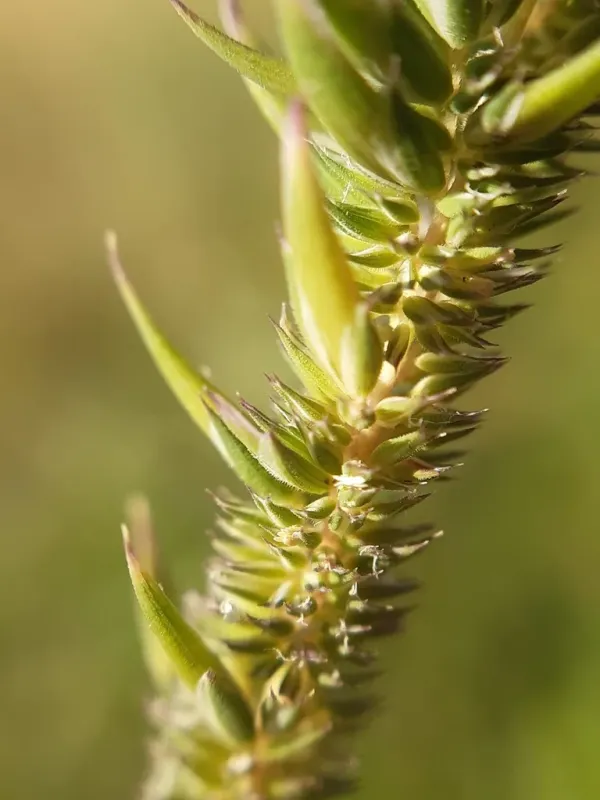
Infected inflorescences may appear deformed, shortened, or stunted. The florets themselves might look puffed up or abnormal due to the presence of the internal nematode gall.
When examined closely, the affected florets lack a normal endosperm. Instead, they contain a packed mass of coiled, inactive larvae that become mobile when placed in water.
Field patches with stunted or malformed heads often suggest the presence of seed nematodes. Such areas should be sampled for laboratory testing to confirm the cause of the poor development.
Upon threshing, the presence of these light, gall-like structures in the seed bin is a clear indicator that the lot has been compromised by the parasite.
Control measures
The use of nematode-free, certified seed is the most effective preventative measure. Farmers should strictly avoid sowing seed from sources known to have infestations.
Processing seed through gravity tables and air-screen cleaners is essential. Because galls are generally lighter than healthy seeds, these machines can effectively remove them from the final product.
Crop rotation is a critical management strategy. By rotating out of susceptible grasses for several seasons, the population of soil-borne or stubble-borne nematodes significantly declines.
Hot water treatment of seed lots can successfully kill the larvae within the galls. However, this process must be carefully monitored to ensure that seed viability is not negatively impacted.
Sanitation practices, including the control of wild grass weeds in and around production fields, are vital to preventing the spread and survival of the nematode between growing seasons.
Taxonomy
- Latin name
- Anguina agrostis
- Order
- Nematodes
- Family
- Anguinidae
- EPPO code
- ANGUAG
Discussion
No discussions yet — be the first.