
Afrina
Afrina
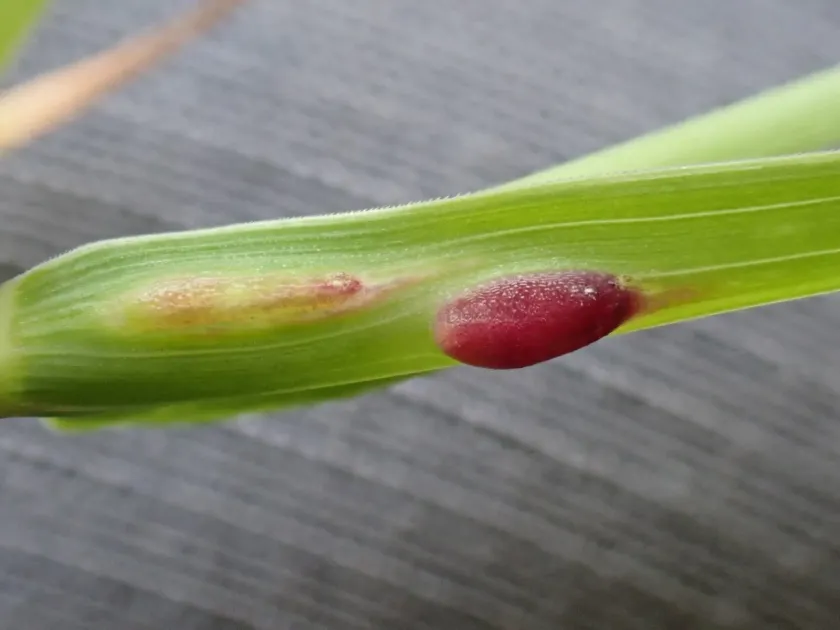
Description
How to identify
Afrina is a genus of plant-parasitic nematodes belonging to the family Anguinidae, recognized for causing damage to various plant species.
These organisms are microscopic, worm-like creatures that possess a specialized feeding apparatus known as a stylet for piercing plant cells.
Morphologically, they are adapted to thrive in moist environments, allowing them to traverse the surfaces of leaves and stems effortlessly.
Due to their tiny size and transparent bodies, identifying Afrina requires laboratory techniques such as extraction from plant tissue followed by microscopy.
The genus is closely related to other foliar and stem nematodes, which occupy similar ecological niches within their respective host plants.
What it damages
The host range of Afrina includes various ornamental and herbaceous plants, where they mainly target the above-ground vegetative parts.
By feeding on the sap of young buds, leaves, and stems, they disrupt the physiological processes essential for the plant's healthy development.
Feeding activities often result in stunted growth, distorted foliage, and a significant decrease in the overall vigor and aesthetic value of the plant.
In cases of high infestation, the plant may lose the ability to produce flowers, or the blossoms that do appear may be severely malformed.
The damage caused by these nematodes can weaken the plant, making it more susceptible to secondary fungal or bacterial infections.
When it appears
The life cycle and activity of Afrina are heavily dependent on environmental humidity, requiring a thin film of water to move between tissues.
Periods of high rainfall or consistently high humidity provide optimal conditions for the rapid multiplication and spread of these nematodes.
During dry spells, some species of Afrina are capable of entering a state of cryptobiosis to survive until environmental conditions improve.
Springtime, characterized by moderate temperatures and the emergence of fresh plant tissues, marks the onset of peak seasonal activity.
Infestation levels usually climb throughout the growing season, reaching a climax when weather conditions are most favorable for pathogen dispersal.
Signs of infestation
Infected plants typically display symptoms such as curling, wrinkling, and thickening of leaves, which are hallmarks of nematode activity.
Localized chlorosis or browning of leaf tissue is frequently observed, often progressing into necrotic lesions if the infection is persistent.
Distorted stems and a general "cramped" growth habit are common, particularly when the nematode attacks the primary growing points.
Flower buds may fail to bloom or open prematurely, showing signs of necrosis and structural deformity on the petals.
Stunting of the entire plant is a classic late-stage sign, where the plant fails to reach its expected size or reach maturity on time.
Control measures
Managing Afrina populations requires a multifaceted approach focused on preventing the introduction of the pest into clean areas.
Quarantine measures and the careful inspection of new plant materials are the most effective ways to avoid the spread of these nematodes.
Physical removal and disposal of infested plant material are critical to reducing the inoculum level in the garden or greenhouse environment.
Cultural practices, such as optimizing irrigation systems to avoid foliage wetness for prolonged periods, can significantly inhibit nematode activity.
- Practice crop rotation with non-host species to break the nematode life cycle.
- Ensure equipment sanitation after working with infected plant tissues.
- Use heat-treated or certified pest-free propagation materials for planting.
Taxonomy
- Latin name
- Afrina
- Order
- Nematodes
- Family
- Anguinidae
- EPPO code
- AFRNSP
Discussion
No discussions yet — be the first.