
Halenchus fucicola
Halenchus fucicola
Description
How to identify
Halenchus fucicola is a specialized marine nematode belonging to the family Tylenchidae. This microscopic organism is an endoparasite that lives within the tissues of brown algae.
The body structure is filiform, designed for movement through the intracellular spaces of algal tissues. Its small size makes it almost impossible to detect without the use of high-power microscopy.
Like other plant-parasitic nematodes, it possesses a specialized feeding apparatus known as a stylet, which is used to puncture cell walls and extract nutrients from the host.
The taxonomy of this species is complex, relying on the analysis of specific morphological traits, including the shape of the cephalic region and the tail morphology.
The life cycle is tightly integrated with the host, meaning the nematode spends almost its entire existence within the algal matrix, shielded from the harsh marine environment.
What it damages
The primary hosts for Halenchus fucicola are species of the genus Fucus, which are essential components of coastal marine ecosystems.
Damage is most commonly localized in the receptacles, which are the reproductive structures of the algae responsible for gamete production.
Feeding by the nematodes causes significant physiological stress to the host, resulting in the malformation of the reproductive tissues and reduced overall health.
Chronic infestation can lead to a marked decline in the reproductive success of the seaweed population, potentially affecting coastal biodiversity.
The localized tissue destruction often acts as a site for secondary infections by opportunistic bacteria, further damaging the structural integrity of the seaweed.
Signs of infestation
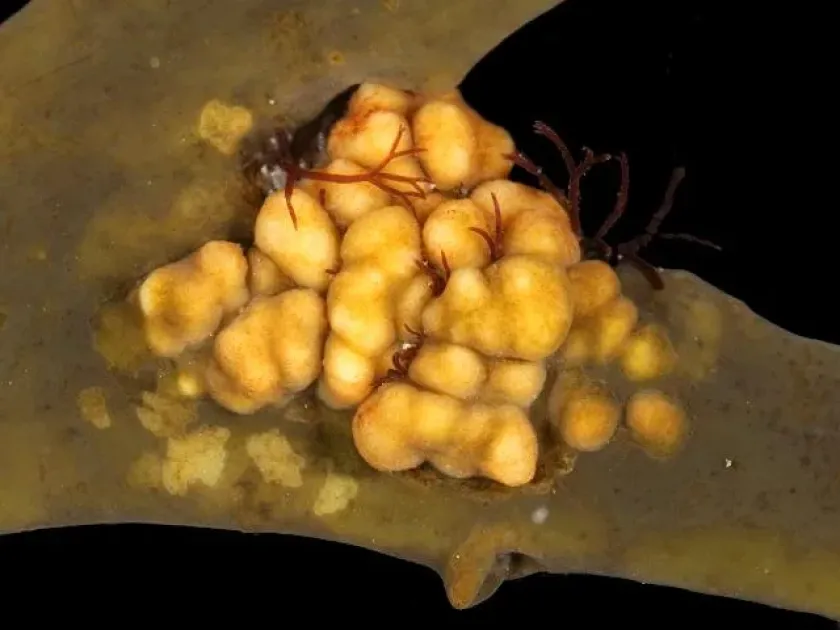
The most characteristic sign of infestation is the formation of galls or localized swellings on the receptacles of the Fucus plants.
These deformed areas often exhibit discoloration, appearing paler or necrotic compared to the healthy, pigmented tissues of the surrounding thallus.
The structural integrity of the receptacles is compromised, making them brittle and prone to breakage under the natural mechanical stress of tidal currents.
In advanced stages of infection, the affected areas may wither and drop off, leading to a significant loss of biomass and stunted growth.
Microscopic examination of affected tissue samples reveals the presence of nematode clusters, including both juveniles and adults, within the intercellular spaces.
Control measures
Management of this pest in natural marine environments is currently not feasible due to the vast and uncontrolled nature of the habitat.
In seaweed aquaculture or laboratory cultivation, the primary defense is the implementation of strict monitoring protocols to detect early signs of infestation.
Physically removing and destroying infected algal tissue is a standard practice to prevent the nematode population from spreading within a cultivation unit.
Maintaining optimal environmental conditions for the seaweed helps to boost the host's natural defenses and mitigates the impact of nematode colonization.
- Routine microscopic screening
- Quarantine of new algal stock
- Sanitation through removal of necrotic tissue
Taxonomy
- Latin name
- Halenchus fucicola
- Order
- Nematodes
- Family
- Anguinidae
- EPPO code
- HALEFU
Discussion
No discussions yet — be the first.