


SKU #59730
·
52 views
Arkhat
Wheat
User rating
0 votes0% positive reviews
No ratings yet — be the first.
Type of Development
Spring wheat
Wheat Type
Soft wheat variety
Ostistost'
Ostistaya
Growing Season
80-90 days, 90-100 days
About product

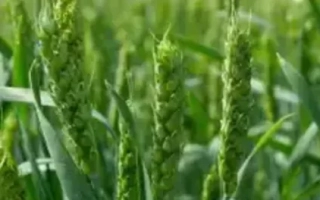
Spring wheat of the Archat variety is a mid-season soft wheat (Triticum aestivum L.) variety with a vegetation period ranging from 75 to 96 days. The plant is medium-height, featuring a semi-erect culm and a cylindrical head of medium density. The mass of 1000 grains ranges from 30 to 40 grams, indicating good grain quality. The head is white in color with short awn-like appendages, as well as cha…
Type of Development
Spring wheat
Wheat Type
Soft wheat variety
Ostistost'
Ostistaya
Growing Season
80-90 days, 90-100 days
Description
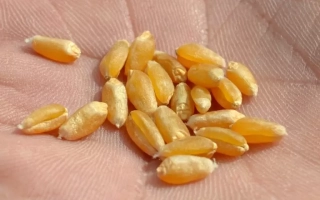
Spring wheat of the Archat variety is a mid-season soft wheat (Triticum aestivum L.) variety with a vegetation period ranging from 75 to 96 days. The plant is medium-height, featuring a semi-erect culm and a cylindrical head of medium density. The mass of 1000 grains ranges from 30 to 40 grams, indicating good grain quality. The head is white in color with short awn-like appendages, as well as characteristic narrow and rounded shoulders. The grain is colored, which is a distinctive trait of the variety. The straw is weakly expressed, with moderate wax coating on the head and upper internode, as well as moderate-strong coating on the sheath of the flag leaf. The Archat variety is characterized by good resistance to major diseases, such as brown rust, powdery mildew, septoria, and root rots, ensuring yield stability. Lodging resistance is rated as good, and drought resistance is at the standard level. The maximum yield of the variety reaches 64.3 centners per hectare, which was recorded in the Tulskaya region, with an average yield of about 26.6 c/ha in the Central region. The recommended sowing rate is 5.0-6.0 million germinable seeds per hectare. Archat was included in the State Register of Breeding Achievements of the Russian Federation in 2014 and is protected by a Russian Federation patent. The variety is recommended for cultivation in various regions, including the North-West, Volga-Vyatka, Middle Volga, and Ural regions, as well as in Kaluga, Rязan, and Tula regions, Samara region, the northern forest-steppe of the Sverdlovsk region, the Zakamye zone of the Tatarstan Republic, and the South-West zone of the Penza region. The best predecessors for Archat are clean fallow, grain legumes, perennial forage crops, and potatoes. Due to its baking qualities and stable yield, the variety is a valuable choice for agricultural production.
Crop & resistance
Crop
Disease resistance
Specifications hover over for a hint about the specification
| Type of Development | |
|---|---|
|
Wheat Type
Wheat Type
Biologically hard wheat differs from soft wheat in its greater demand for soil fertility and agronomic conditions (especially regarding field cleanliness from weeds), lower drought resistance and plasticity, relatively weaker root development, especially nodal roots, and lower ti... |
|
| Ostistost' | |
| Growing Season | 80-90 days, 90-100 days |
| Seed: mass 1.000 pcs seeds | 30-35 grams, 35-40 grams |
| Resistance to lodging | |
| Potential Yield | 6-7 tons, 8-9 tons |
| Number of productive stems per hectare | 4.5-5.0 million pcs |
| Registration year | 2015 |
| Catalog | Catalog → Wheat |
| Legal data |
Show · 7
|
| Country | Russia |
Store offers
Prices are updated on loadLoading offers…
Aggregator catalog: prices are collected automatically from store websites, normalized by AI and converted at the current exchange rate. Before ordering, confirm the price and availability on the store's website. This block is not indexed by search engines — the data is loaded after the page opens.
Not yet комментариев. Be the first!
Alternatives
Wheat seeds · similar varieties



See also
Often considered together with this variety







Recently viewed
Products you’ve viewed on this site
Reviews · 0